What changed
A November 9, 2026 commemoration of Kristallnacht has prompted an argument that normalized antisemitism, political polarization and foreign amplification are eroding civic trust in the United States. The essay focuses on New York, where its author says Jewish residents face harassment, concealed mezuzahs and armed security around community schools, and cites a speech attributed to Michigan Senator Abdul El-Sayed describing the state as “the capital of Arab America.”
Why it matters
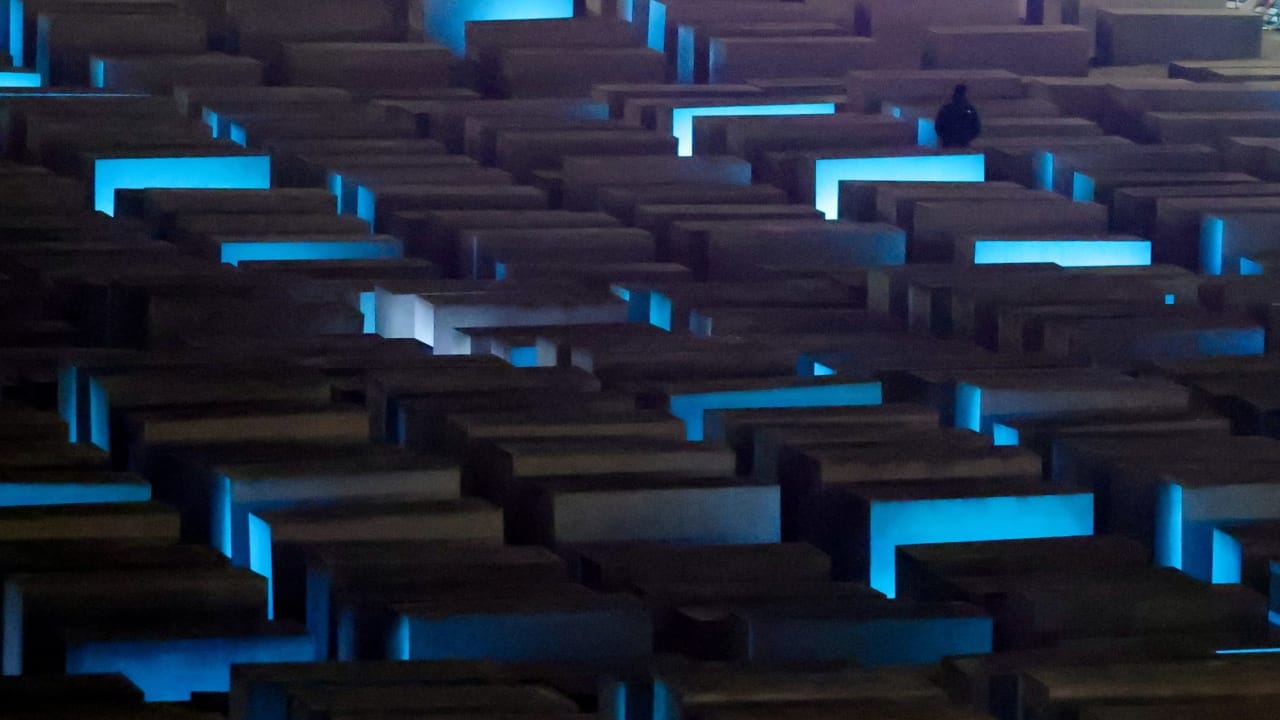
The useful point is less the direct comparison with Nazi Germany than the warning about how public norms can shift. Kristallnacht, the November 1938 pogrom against Jews in Germany and Austria, is presented as the endpoint of years of tolerated demonization, propaganda and institutional silence.
The essay’s account of New York is stark: antisemitic rhetoric, it says, has moved from fringe online spaces into lecture halls, city councils and demonstrations. Those claims are not independently substantiated here, and the essay does not establish that today’s conditions are equivalent to Nazi Germany. But the argument carries a clear civic test: an election may change officeholders without removing the hostility or distrust that made the politics possible.
That makes the question after the commemoration practical rather than ceremonial. Do institutions challenge harassment consistently, or do they excuse it as ordinary political expression? The answer would show whether public calm reflects genuine repair or merely a pause in a deeper fracture.
Comments
No comments yet.