What changed
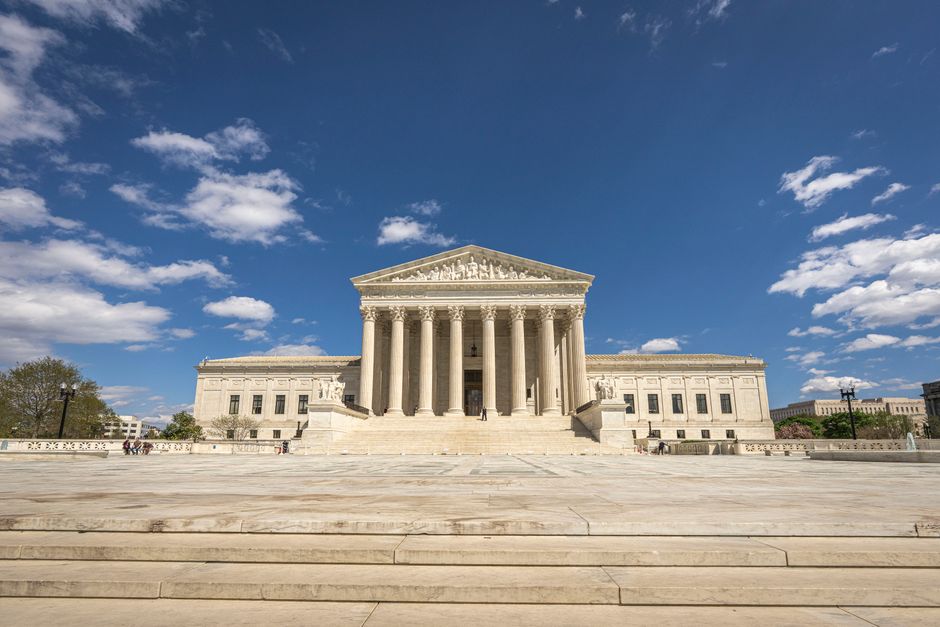
The US Supreme Court rejected the Trump administration’s last-minute request to remove 20,000 disputed California ballots from the midterm count. The Justice Department said the ballots may have been cast by non-US citizens; California officials challenged the accuracy of that identification process. The court’s one-line denial leaves lower-court rulings blocking the ballot segregation in force on the eve of voting.
Why it matters
The ballots remain in the counting process while California election officials continue their work. That matters in a state with about 23 million registered voters and more than six million mail ballots received by Sunday night.
The immediate fight was not over whether any particular ballot was illegal. The ruling left the administration without the intervention it sought to separate the 20,000 ballots before the election was complete. The report does not establish whether any were cast by non-citizens, so the eventual effect on the result is unknown.
The stakes extend beyond California’s count because these midterms will determine which political party controls Congress for the final two years of Donald Trump’s second term. The clearest reading of the ruling is that the Supreme Court has preserved the state’s existing election procedures at a moment when changing them would have risked excluding eligible voters.
Comments
No comments yet.