What changed
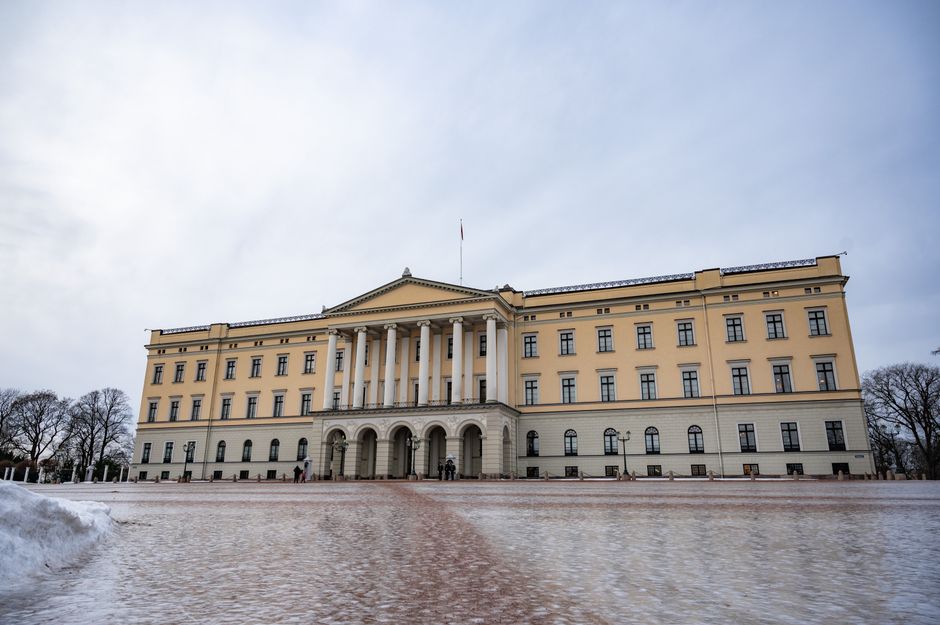
Volodymyr Zelensky is preparing for talks in Oslo on 20 October with US and European representatives as relations between Kyiv and Washington deteriorate. Steve Witkoff has arrived in Norway; Jared Kushner is expected to join remotely, alongside officials from Finland, the UK, Poland, France, Germany, the EU and Nato.
The meeting follows Ukrainian concerns about unreliable US warnings, Patriot interceptor deliveries and disruptions to SpaceX’s Starlink network. Marco Rubio has denied that Washington intentionally withheld intelligence, while Norwegian Prime Minister Jonas Gahr Støre says the talks should put relations on “a more constructive path.”
Why it matters
This is a meeting about whether military cooperation can still function while political trust is fraying. Ukraine says inconsistent warnings may be costing lives. Kyiv also needs clarity on missile interceptors and Starlink, systems that affect its ability to anticipate attacks and communicate during the war.
The disagreement over intelligence is especially consequential because both sides are describing the same problem differently. Ukraine is pointing to warnings that arrive inconsistently. Rubio says nothing was withheld deliberately. Until that gap is narrowed, even a promise of continued support may leave commanders unsure what help will actually arrive and when.
Europe is being pulled further into the practical burden. Friedrich Merz said the US has not paid for Ukraine’s defence since the start of 2025, while European countries are trying to keep funding support. That makes Oslo more than a diplomatic appointment: it is a test of whether the US, Ukraine and European allies can still coordinate around a shared route to a lasting peace.
The immediate uncertainty is whether the talks produce operational commitments on warnings, Patriot interceptors or Starlink. Their success will depend less on warm language than on whether those specific issues leave the room with clear decisions.
Comments
No comments yet.