What changed
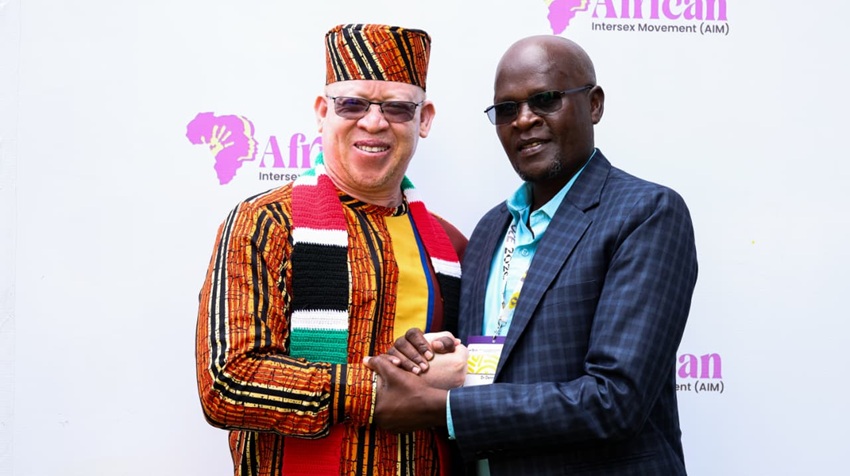
The first African Intersex Conference in Nairobi called for stronger legal protection, inclusive healthcare and easier access to official documents for people born with variations in sex characteristics.
Leaders and advocates said intersex people must help shape the decisions that affect their lives. The African Intersex Movement said its network now has more than 40 members across over 20 countries in Eastern, Southern and Western Africa.
Why it matters
The demands point to problems that reach far beyond recognition. Stigma and discrimination can make healthcare harder to access, while difficulties with official documents can turn everyday administration into a wall.
The conference also marked a shift in who gets to define the agenda. African intersex people were presented not as subjects of policy, research or charity, but as an organised movement seeking bodily autonomy, safe schools, supportive families and services that protect rather than exclude them.
Julius Kaggwa of the Support Initiative for People with Atypical Sex Development warned that shrinking funding, anti-gender narratives and the exclusion of African voices could weaken that progress. The test now is practical: whether governments, health professionals, researchers, United Nations agencies and donors convert the Nairobi calls into rules, services and resources shaped with intersex leadership.
Comments
No comments yet.