What changed
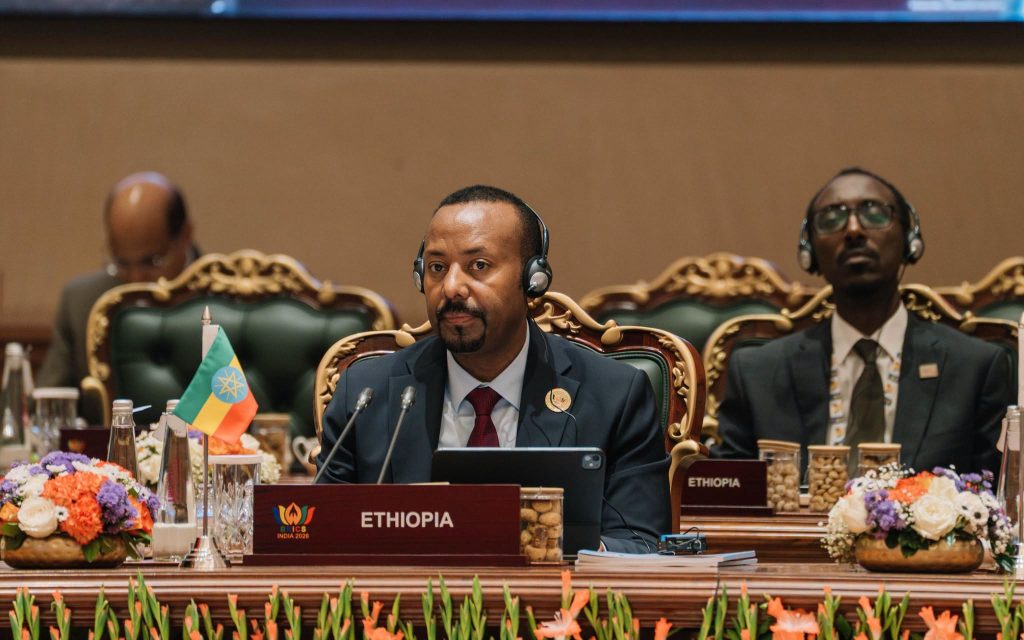
Ethiopia used the 18th BRICS Summit in New Delhi on September 15 to argue that climate action should drive economic transformation, not add to developing countries’ financial burdens. Prime Minister Abiy Ahmed linked the country’s Green Legacy Initiative, renewable energy, electric mobility and climate-resilient agriculture, cities and infrastructure to wider BRICS cooperation.
Ethiopia also proposed a BRICS coordinating track ahead of COP32, which Addis Ababa will host in 2027. The country says it has planted 56 billion seedlings over eight years and wants COP32 to focus on delivery, adaptation and climate finance that does not deepen unsustainable debt.
Why it matters
The useful part of Ethiopia’s message is its refusal to treat climate policy as a separate environmental lane. In the argument put to BRICS, climate resilience is tied to agricultural productivity, water security, energy access, infrastructure and the ability of governments to withstand external shocks.
That gives Addis Ababa a clear diplomatic assignment before COP32: turn broad priorities into negotiating positions, finance requests and projects. Ethiopian agencies may need to connect summit language with practical plans for renewable energy, electric mobility, resilient agriculture, cities and infrastructure.
The proposed coordinating track could also give BRICS governments a way to align their demands before the climate conference. For African governments seeking adaptation finance, the prize would be more suitable capital for infrastructure, agriculture and energy access. But the proposal remains just that: whether BRICS members adopt a shared work programme, identify financing instruments and attach money to projects is still unresolved.
That gap matters. A delivery-focused climate agenda puts pressure on finance institutions to show how adaptation can be funded without leaving already constrained governments with heavier debt. If the process produces only statements, Ethiopia and other climate-vulnerable economies will have gained diplomatic attention without a material improvement in resilience funding. If it produces named partners, workable terms and funded projects, Ethiopia’s COP32 presidency could become a bridge between climate diplomacy and development investment.
Ethiopia’s strongest asset is agenda-setting leverage. Hosting COP32 gives it a platform to connect its own development priorities with a broader BRICS conversation. Its renewable-energy and electric-mobility plans may gain policy visibility, while climate-finance institutions face sharper scrutiny over whether their lending terms fit countries with limited fiscal room.
The next test is mundane, which is precisely why it matters: paperwork. A serious track should identify participating institutions, objectives, a timetable and finance channels. It should also produce project-level commitments rather than another shelf of general declarations.
What to watch next
- A published BRICS coordinating mechanism or work programme for the period before COP32.
- Financing proposals that specify terms, eligible projects or implementation channels without deepening debt burdens.
- Named partners, funding or milestones for Ethiopian projects in renewable energy, electric mobility, agriculture, cities or infrastructure.
Comments
No comments yet.