What changed
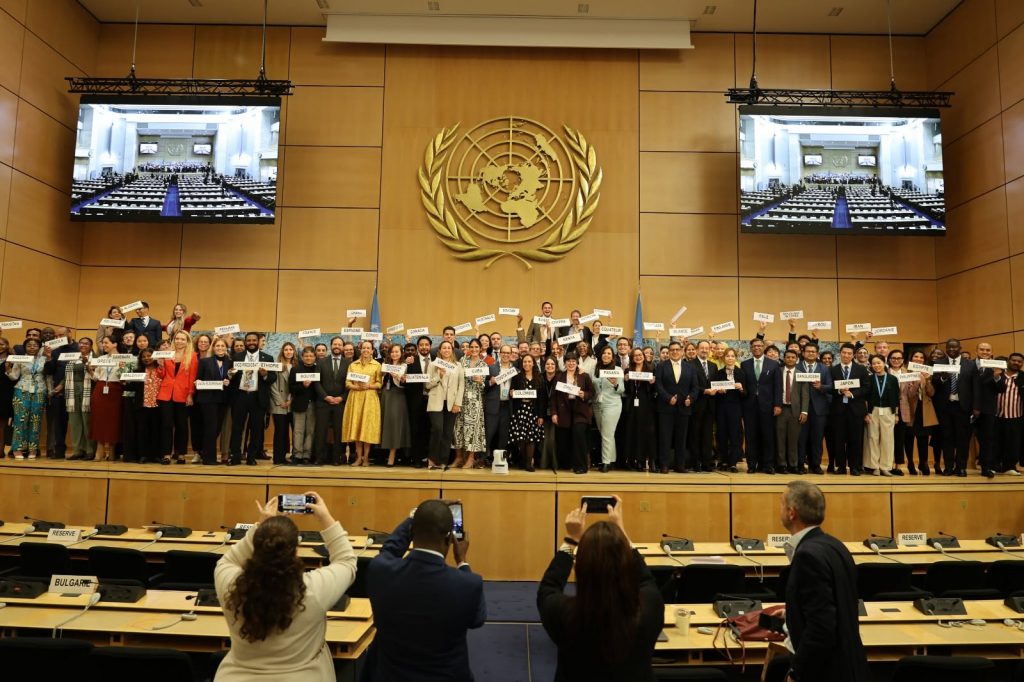
Ethiopia concluded its participation in the 63rd regular session of the United Nations Human Rights Council, held in Geneva from September 7 to October 7, 2026. Ambassador Tsegab Kebebew Daka served as a Council vice-president, while Ethiopia led the Council’s Accessibility Task Force. The session adopted 34 resolutions, two decisions and a presidential statement, and reviewed the human-rights records of 14 countries.
Why it matters
Ethiopia’s role extended beyond casting votes. Its delegation helped shape discussions on development, international cooperation, transitional justice, accessibility, racial discrimination, emerging technologies and artificial intelligence.
That gives Ethiopia a procedural platform as well as a diplomatic one. By holding Council leadership roles and presenting African and broader Global South positions, it could press for approaches centred on national ownership, capacity-building and development.
The significance is real but measured. The specific resolutions Ethiopia supported, and the extent of its influence over the final outcomes, remain unclear. For now, the clearest result is Ethiopia’s more visible place inside the Council’s machinery, where debates about rights are also debates about development, technology and who gets to define international priorities.
Comments
No comments yet.