What changed
Fatima Ezzahra El Mansouri is presented as Morocco’s new Prime Minister, placing a lawyer, Authenticity and Modernity Party national coordinator, former Marrakesh mayor and former minister at the top of executive government. The appointment is framed as the latest step in reforms tied to King Mohammed VI, including changes to the Moudawana Family Code, women’s economic participation and investment in women’s sport.
The appointment itself still needs confirmation from an official government announcement.
Why it matters
The larger point is that political power rarely changes because of one appointment alone. El Mansouri’s reported elevation is presented as the result of a system built over time: legal reforms opening civic and economic space, women moving into corporate and professional leadership, and institutions supporting their presence in public life.
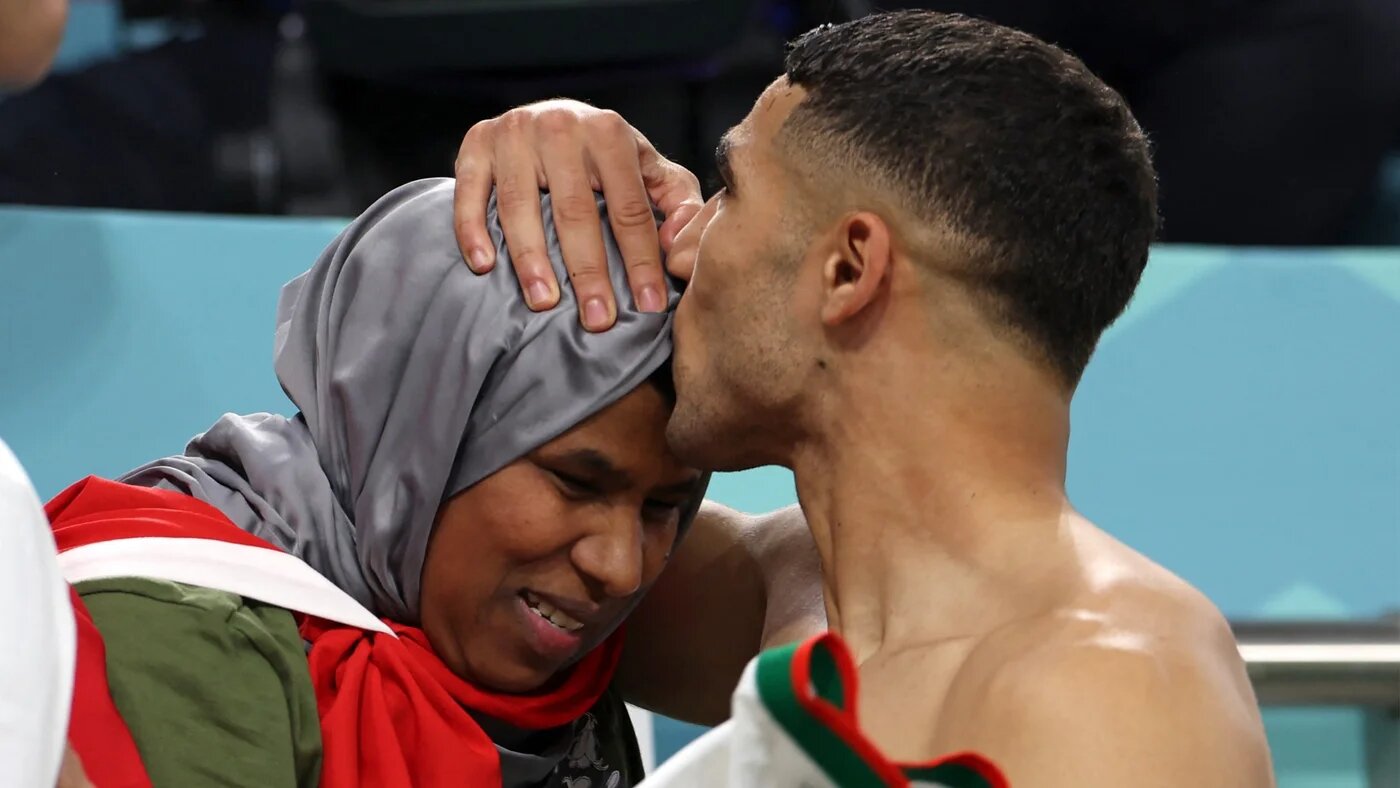
That makes the contrast with the familiar image of Achraf Hakimi embracing his mother, Saida Mouh, at the 2022 World Cup especially powerful. Maternal respect on the touchline is cultural symbolism. A woman holding executive authority is institutional power.
Morocco’s example, as presented here, is that quotas or gestures are not enough. The durable shift comes when law, economic opportunity and public institutions point in the same direction. That is the difference between celebrating women’s visibility and giving women the authority to decide.
Comments
No comments yet.