What changed
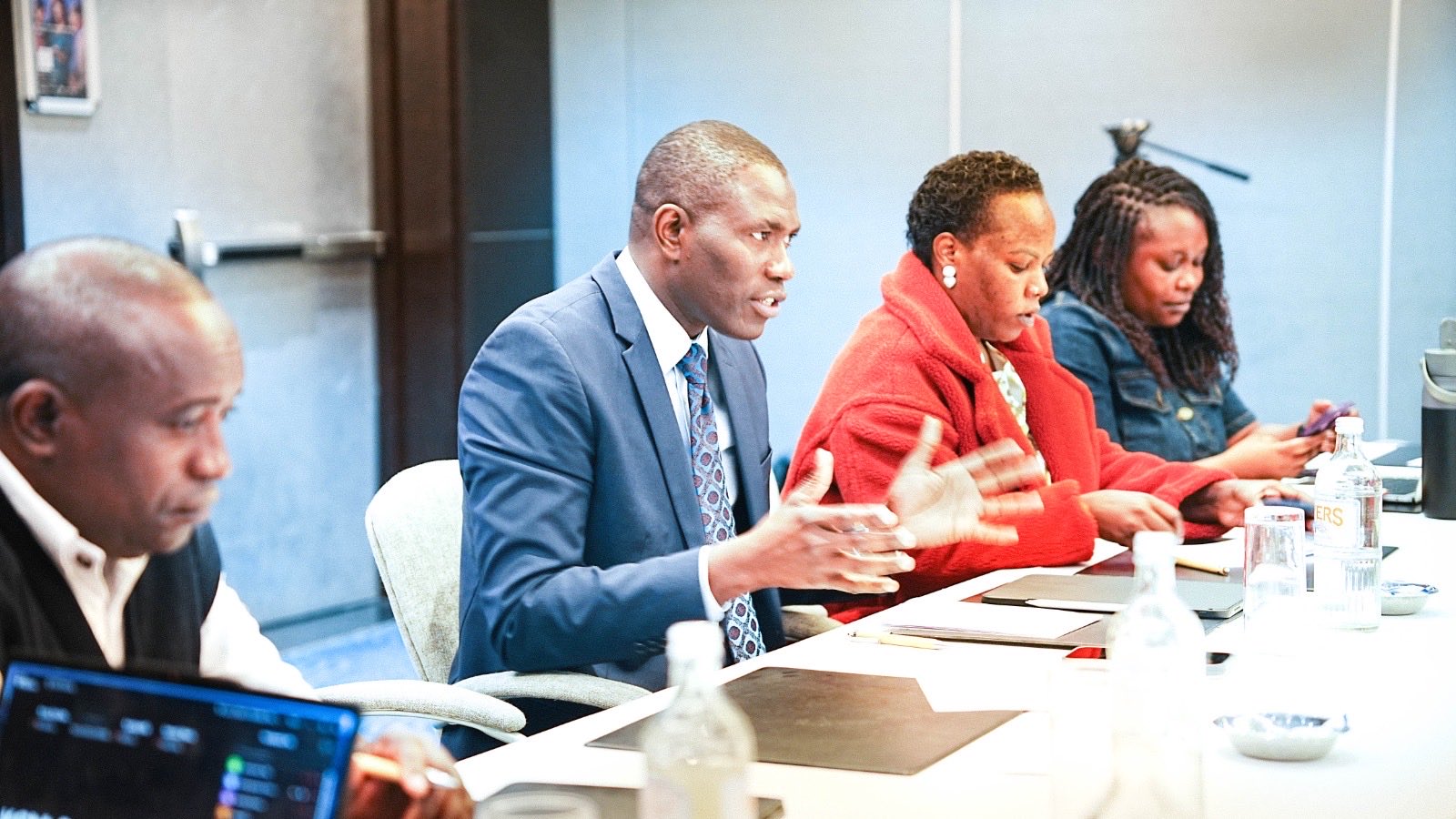
Kenya is strengthening domestic health financing while tightening how development-partner support is used. At a Global Fund Kenya Coordinating Mechanism meeting in Nairobi on September 30, Principal Secretary for Medical Services Dr Ouma Oluga called for health spending to follow national priorities, avoid duplication and reach underserved communities.
The priorities include:
- Better use of data to guide investment and policy.
- More accountability and efficiency in health spending.
- Closing persistent gaps in HIV services for children.
- Improving care for women and newborns.
- Stronger community involvement.
Why it matters
The message is a shift in emphasis: Kenya wants greater ownership of both financing and delivering health services, while still relying on partners such as the Global Fund for its HIV, tuberculosis and malaria response.
That matters because coordination is not the same as new money. No funding amount, implementation timetable or new financing instrument was announced, and it is not yet clear whether these priorities will receive additional domestic resources.
The practical test will be whether national and partner resources reach the communities currently missing out, particularly children affected by HIV and women and newborns needing higher-quality care. If Kenya can align spending, data and local engagement, its push toward universal health coverage could become more coherent. If not, the meeting’s call for ownership will remain a policy ambition rather than a change felt in clinics.
Comments
No comments yet.