What changed
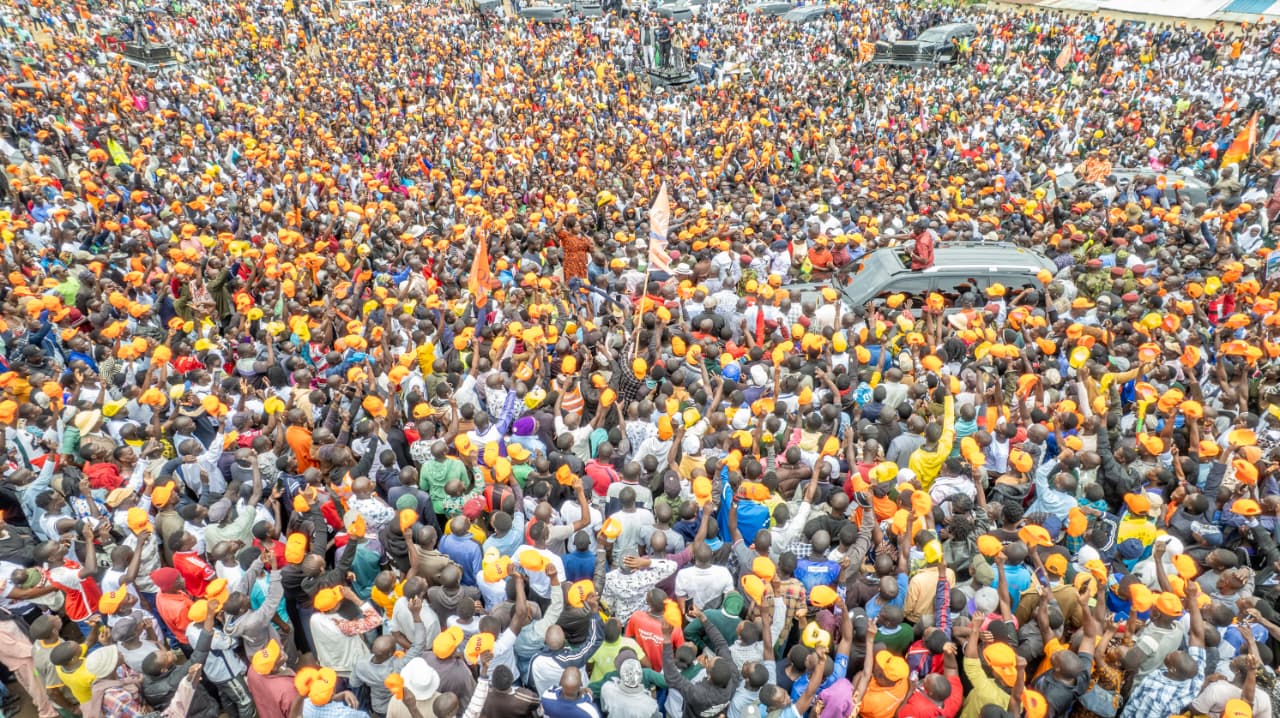
President William Ruto accused former President Uhuru Kenyatta of sabotaging Kenya’s government, funding opposition activity and undermining its development agenda. Speaking in Sindo, Homa Bay County, on September 17, Ruto said Kenyatta had left the economy “in tatters” and claimed his administration had stabilised it.
Ruto pointed to:
- 300,000 housing units under construction, linked to 1.1 million jobs
- 600 modern markets being built
- 180,000 student hostels under construction
Why it matters
This was more than a quarrel between Kenya’s current and former presidents. Ruto tied Kenyatta’s alleged opposition activity directly to the government’s record on housing, markets, education and infrastructure.
He also turned the dispute into an early argument about the 2027 election. Ruto presented the UDA-ODM-Kenya Kwanza broad-based arrangement as Kenya’s route to transformation, while casting opposition parties as driven by tribalism, personality politics and hate.
That framing puts pressure on Kenyatta’s allies. They now face a choice between answering Ruto’s accusations, distancing themselves from the confrontation or defending opposition independence. Kenyan political parties and local candidates may consequently spend more time signalling coalition loyalties and arguing over development claims.
The sharper risk is that public projects become campaign symbols before they are judged on delivery. The more Ruto links housing, markets and hostels to national unity, the harder it becomes for opponents to challenge those programmes without also entering his preferred argument about tribal mobilisation.
The immediate outlook is an extended political fight rather than a settlement. If Kenyatta or his allies respond publicly while Ruto keeps using the same development-versus-sabotage message, the confrontation is likely to become a recurring theme through the next phase of coalition politics.
The useful test will be whether the argument moves beyond speeches. Project records, employment figures and implementation evidence would give voters something firmer than competing claims; continued personal attacks would do the opposite.
What to watch next
- A public response from Uhuru Kenyatta or his allies to the sabotage and opposition-funding accusations.
- Formal statements from Kenya Kwanza, UDA or ODM clarifying whether their broad-based arrangement remains intact.
- Verifiable government or opposition records supporting competing claims about housing, markets, hostels and jobs.
Comments
No comments yet.