What changed
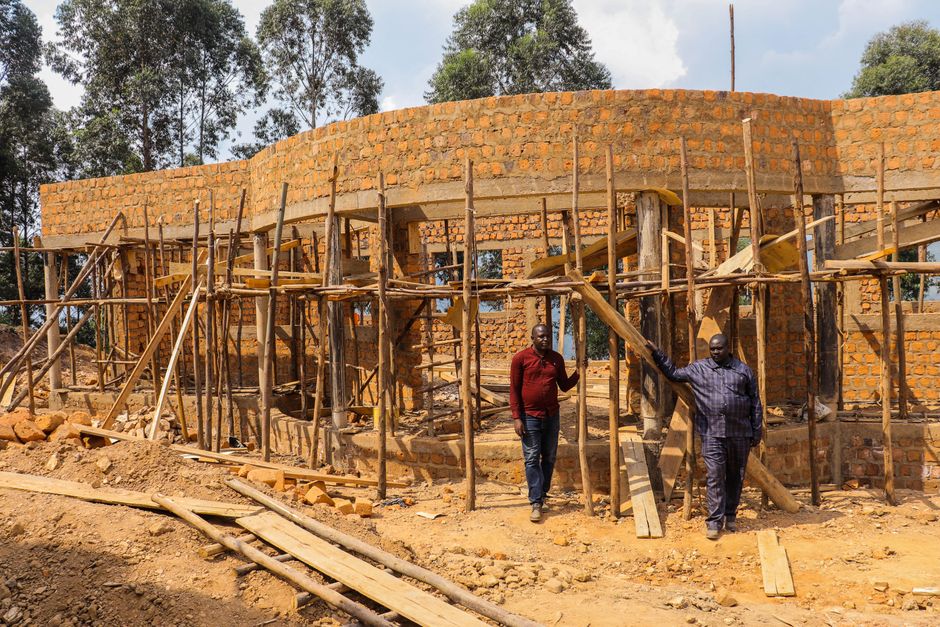
Tanzania’s government has begun the Pamoja Project, a dual-track initiative to construct 80 of its targeted 184 childcare centres and disburse loans to women, youth, and people with disabilities. Project Coordinator Adventina Ilunga announced the launch during a working session in Mwanza, outlining a plan to build one safe house in each region to protect victims of violence. The programme aims to reduce gender-based violence by improving women’s financial independence through affordable credit and by providing safe childcare so parents can participate in economic activities.
In the Mwanza Region, which is already implementing the project in Sengerema, Misungwi, Magu, and Ukerewe councils, Regional Administrative Secretary Dr. Fatma Mganga confirmed that 11.3 billion Tanzanian shillings has been set aside for these empowerment groups. During the 2025/2026 financial year, the region provided 8.8 billion shillings to 226 women’s groups, 4.6 billion shillings to youth groups, and 675 million shillings to groups representing people with disabilities.
Why it matters
The core logic of the Pamoja Project treats economic dependence as a primary driver of domestic and community violence. By pairing affordable loans with on-site childcare, the government is attempting to remove the two biggest barriers preventing women from entering the formal labor market or expanding small businesses. For the 40 councils targeted in the first phase, this represents a shift from viewing social welfare as a passive safety net to an active engine for workforce participation.
This creates a direct fiscal and operational burden on local municipalities. Councils must manage a loan fund equivalent to 10% of their own-source revenue while simultaneously bearing the long-term operational costs of the 184 planned childcare centres. If the initial 80 centres are completed within the first year as planned, local businesses in these councils will face a more stable and available labor supply, as women who were previously excluded from formal employment due to caregiving responsibilities can now work. Conversely, if the 10% revenue allocation proves insufficient to cover both the centres and the loan management, councils risk a liquidity squeeze that could halt new lending. The success of this model hinges on whether the 226 women’s groups that have already received funding can generate enough income to service their debts, ensuring the loan portfolio remains sustainable without perpetual government bailouts.
What to watch next
Construction milestones for the initial 80 childcare centres are the primary indicator of the project’s first-year success, with official announcements or independent audits expected to confirm completion within the next 12 months. Any reports of delays or abandoned sites would signal supply chain or budgetary friction. Equally critical is the repayment performance of the 226 women’s groups in Mwanza that received the 8.8 billion shillings in the 2025/2026 financial year. Financial reports from the implementing councils over the next six months will show whether these borrowers are generating the income needed to maintain their credit, or if default rates are climbing, which would strain the local loan funds and undermine the project’s long-term viability.
Comments
No comments yet.