What changed
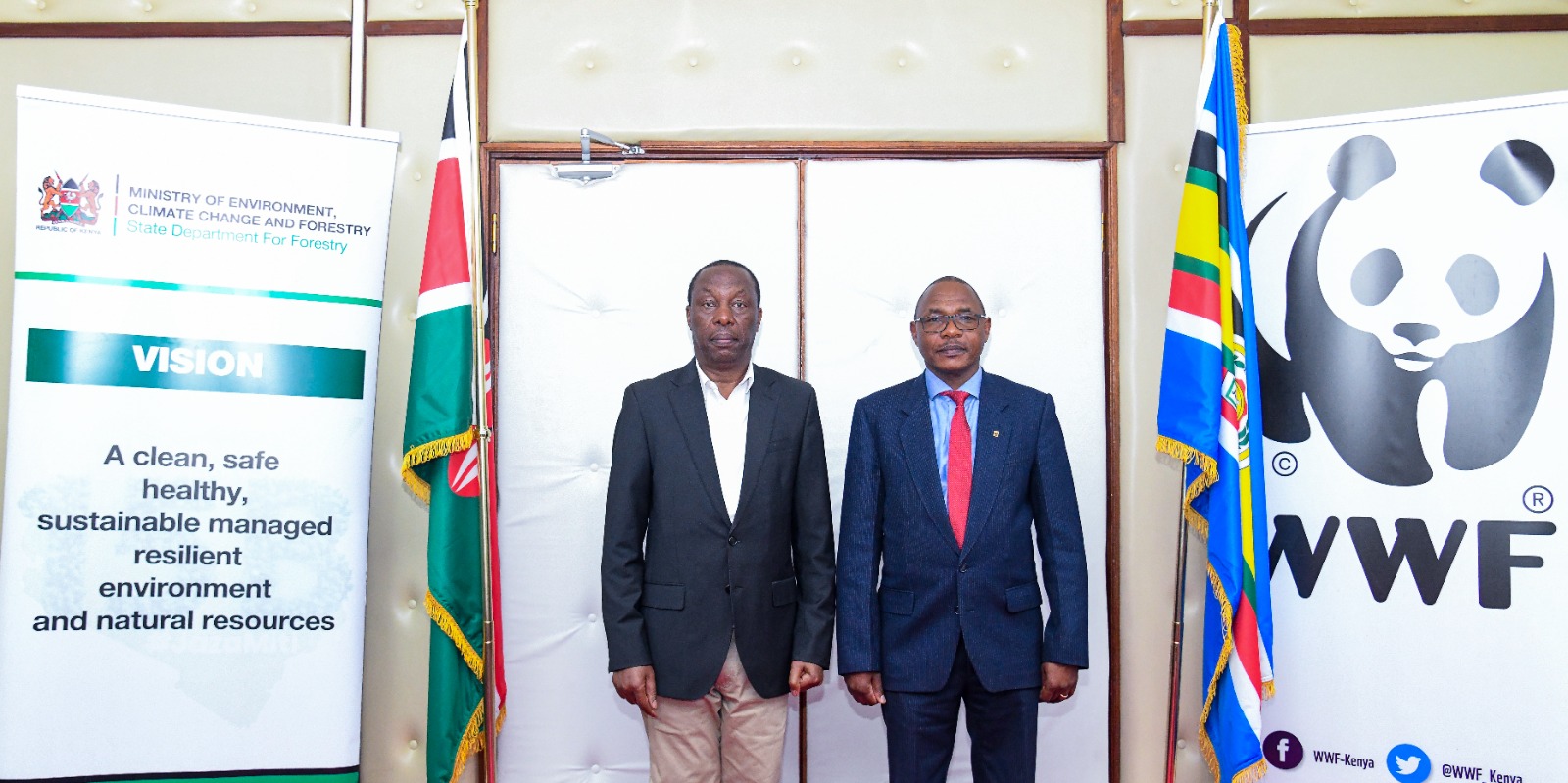
World Wide Fund for Nature-Kenya and the State Department for Forestry have formalized a five-year strategic partnership to drive Kenya’s 15 Billion Trees Initiative. The agreement binds government coordination with WWF-Kenya’s technical expertise to shift the national focus from merely planting trees to ensuring they survive and reach maturity.
The central players and their specific commitments include:
- State Department for Forestry: Provides government coordination and tracks progress via the JazaMiti platform across all 47 counties.
- WWF-Kenya: Offers technical, advocacy, and communication support to the 15 Billion Trees Secretariat and works to replicate successful restoration models.
- The Goal: Grow 15 billion trees by 2032 to restore 10.6 million hectares of degraded landscapes.
- The Model: The Kaptagat Integrated Conservation Programme, which has restored 2,700 hectares and created 2,000 direct jobs in the Northern Mau ecosystem.
Why it matters
The core shift here is operational: the state is moving away from treating tree planting as a one-off event and toward long-term landscape management. For the 47 counties involved, this changes the metric of success. It is no longer about how many seedlings go into the ground during a campaign, but how many are still alive and growing in a few years. This is a significant hurdle because tree mortality is a persistent failure point in similar global restoration efforts.
WWF-Kenya’s approach links environmental work directly to household economics. Their four-pillar strategy focuses on household income, clean energy, clean water, and healthy landscapes. The Kaptagat programme demonstrates this by building dams that provide clean water to 15,000 farmers and providing assets like cross-breed heifers and beehives. For community farmers in these priority areas, the partnership promises sustained employment and income streams through conservation roles, though it may also restrict land use for traditional agriculture. Private sector partners see a clear opportunity to align corporate sustainability investments with national goals, as WWF-Kenya actively seeks to mobilize public and private resources.
If the partnership secures stable government funding and private participation, the most likely outcome is the replication of the Kaptagat model in new counties, leading to higher survival rates. Conversely, if coordination between the central government and county authorities falters, the initiative risks suffering from bureaucratic delays and high tree mortality, which would limit the promised livelihood benefits. The specific financial commitments from private partners are not yet detailed, so the scale of this expansion remains to be seen.
What to watch next
The first major test will be the data coming from the JazaMiti platform. Look for survival rate reports across the 47 counties; a sign of success would be survival rates exceeding 50% in at least half of the counties. The second indicator is the involvement of the private sector. Watch for the announcement of new major corporate partners joining the 15 Billion Trees Secretariat, as their financial backing will determine whether the five-year roadmap has the fuel to reach its 2032 targets.
Comments
No comments yet.