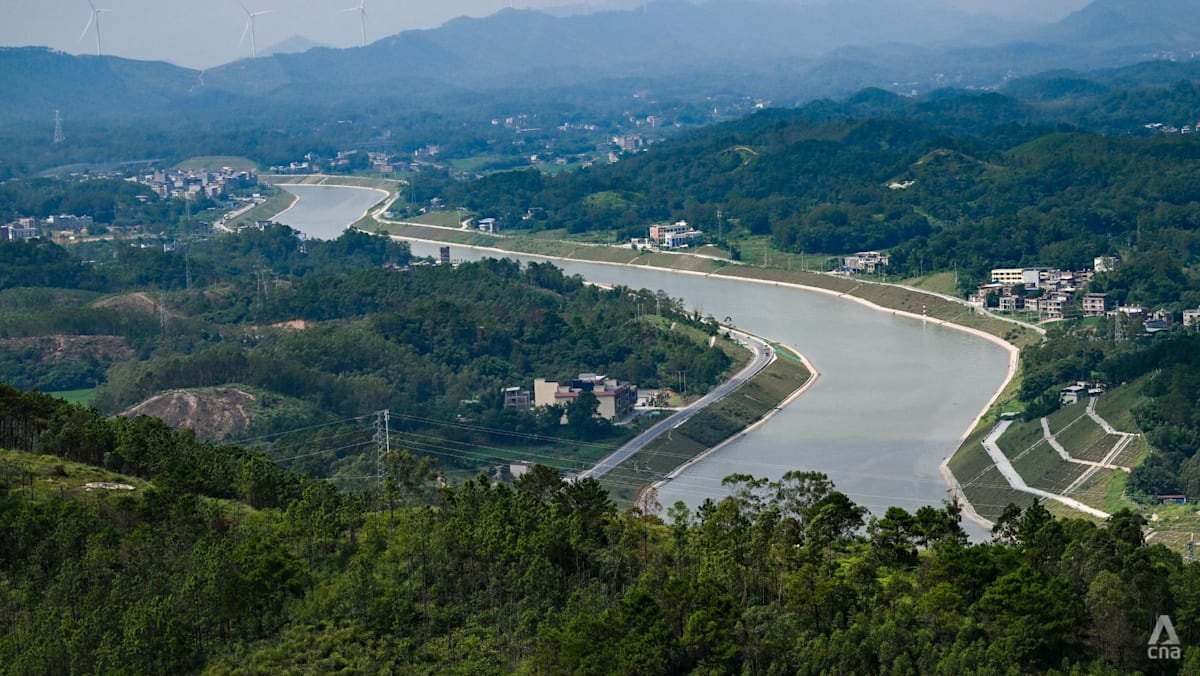
What changed
Chinese businesses are actively evaluating the strategic value of the Pinglu Canal as a new trade shortcut to Southeast Asia. The waterway offers a significantly shorter route from China's landlocked southwest to the South China Sea, shifting commercial focus from initial infrastructure interest to active route assessment.
Why it matters
The direct consequence is a potential rebalancing of trade logistics for goods originating in China's interior. Previously, shipping from these landlocked regions required longer transit times to reach Southeast Asian markets; the canal provides a direct ocean access point that could reduce distance and transit duration. For regional supply chains, this represents a new infrastructure option that may alter routing decisions for inland manufacturers and exporters. However, analysts highlight that converting early business interest into sustained, high-volume demand remains a significant challenge. The route's long-term utility depends on whether shipping volumes justify the infrastructure's operational costs over time. If early commercial interest fails to translate into consistent trade flows, the canal may remain a niche option rather than a primary artery for regional commerce. The immediate shift is from theoretical benefit to practical commercial weighing, with the primary risk identified as the conversion of potential into actual sustained trade flows.
Comments
No comments yet.