What changed
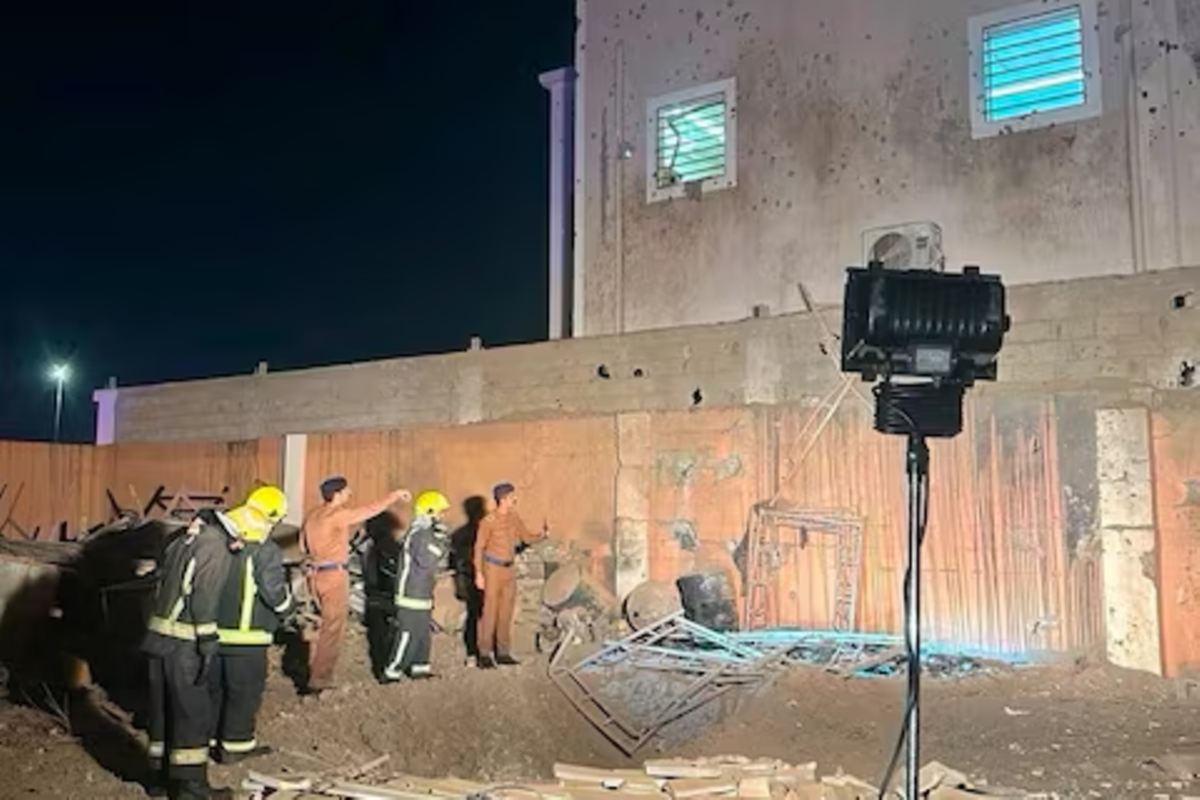
Based on reporting by The Citizen Tanzania, Iran’s Revolutionary Guard said it fired missiles at a US-used base near Al Azraq, Jordan, and attacked 10 ships, including two US vessels and eight oil tankers, near the Strait of Hormuz. This followed the US military’s statement that it destroyed five Iranian oil tankers on Tuesday; Jordan said it intercepted 18 of 20 missiles and reported no casualties, while Brent crude neared $100 a barrel on Wednesday.
Why This Matters
This is no longer only a military exchange. It puts the plumbing of the energy economy under pressure. The Strait of Hormuz is where a shipping disruption can turn quickly into delayed cargoes, higher freight and insurance costs, and harder procurement decisions for businesses that buy fuel or fuel-intensive inputs.
The immediate question is not simply whether a ship was targeted. It is whether operators keep sending vessels through a route Iran describes as unsafe. A delayed tanker is a moving bottleneck: refiners may receive crude later, suppliers may charge more to cover risk, and customers farther down the chain can face higher energy bills.
Our outlook (informed speculation): over the coming weeks, cautious transit decisions could keep oil and tanker operating costs elevated if incidents continue, though the effect would ease if regular passage resumes without sustained delivery disruption.
How the effects could spread
Attacks on vessels and constrained Hormuz traffic raise the practical risk of a voyage. Operators may alter routes, delay departures or demand more compensation for the trip. If those choices postpone shipments, buyers have less timely access to seaborne crude.
That can travel beyond shipping. Refiners and fuel suppliers could face higher crude and transport costs; if they pass them on, oil-consuming businesses would absorb more expensive inputs over coming weeks. The chain weakens if alternative supplies, inventories or routes absorb the disruption, or if suppliers choose to carry the added cost themselves.
The reported damage to an LNG tanker at Khor Fakkan adds another pressure point. Responsibility is unclear, but repeated incidents could make capacity and delivery timing more fragile for LNG importers using Gulf routes.
Impact assessment
- Tanker operators: Immediately exposed to security, delay and routing risk around Hormuz.
- US personnel at the Jordan base: Directly exposed to the escalated conflict, despite Jordan’s interception report and the US statement that all personnel were accounted for.
- Businesses reliant on delivered oil: At risk of higher fuel and input costs over weeks if shipping delays persist and costs move through supply contracts or spot pricing.
- LNG importers using Gulf shipping lanes: Exposed to less predictable capacity and arrival times if damage to vessels becomes a pattern.
Scenarios
Most likely
If further incidents remain limited but shipping concern persists, operators could continue cautious passages through Hormuz over the next several weeks. That would keep security and operating costs high and could leave Brent near or above its reported level, without necessarily producing a prolonged halt in physical deliveries. This is the baseline because tanker attacks have already been reported and Brent is nearing $100.
It would be strengthened by continuing constrained tanker traffic and further incidents without a confirmed long-term closure. It would weaken if passage normalizes and Brent retreats.
Upside
If attacks on commercial vessels stop and practical restrictions on transit ease, tanker operators could restore more regular schedules over weeks to months. Fewer detours and delays would reduce the need for precautionary stockpiling by buyers and improve procurement planning.
This path would gain support from resumed tanker traffic, no further vessel damage and falling oil prices. Fresh attacks or new restrictions would undermine it.
Downside
If attacks spread to more tankers, LNG carriers or regional energy assets, operators could delay or avoid Hormuz transits for a sustained period. Buyers would then compete for alternative cargoes, while energy-intensive businesses manage higher and less predictable fuel costs over weeks to 6–12 months.
Repeated commercial-ship attacks, mounting evidence of disrupted traffic and persistently higher crude prices would point toward this outcome. A sustained absence of incidents and restored transit volumes would argue against it.
What to watch next
- Whether tanker traffic shows continued delays, diversions or an ability to resume normal passage through Hormuz.
- Whether further commercial ships or energy assets are attacked or damaged.
- Whether Brent stays elevated alongside shipping disruption, or falls as tanker movements normalize.
Comments
No comments yet.