What changed
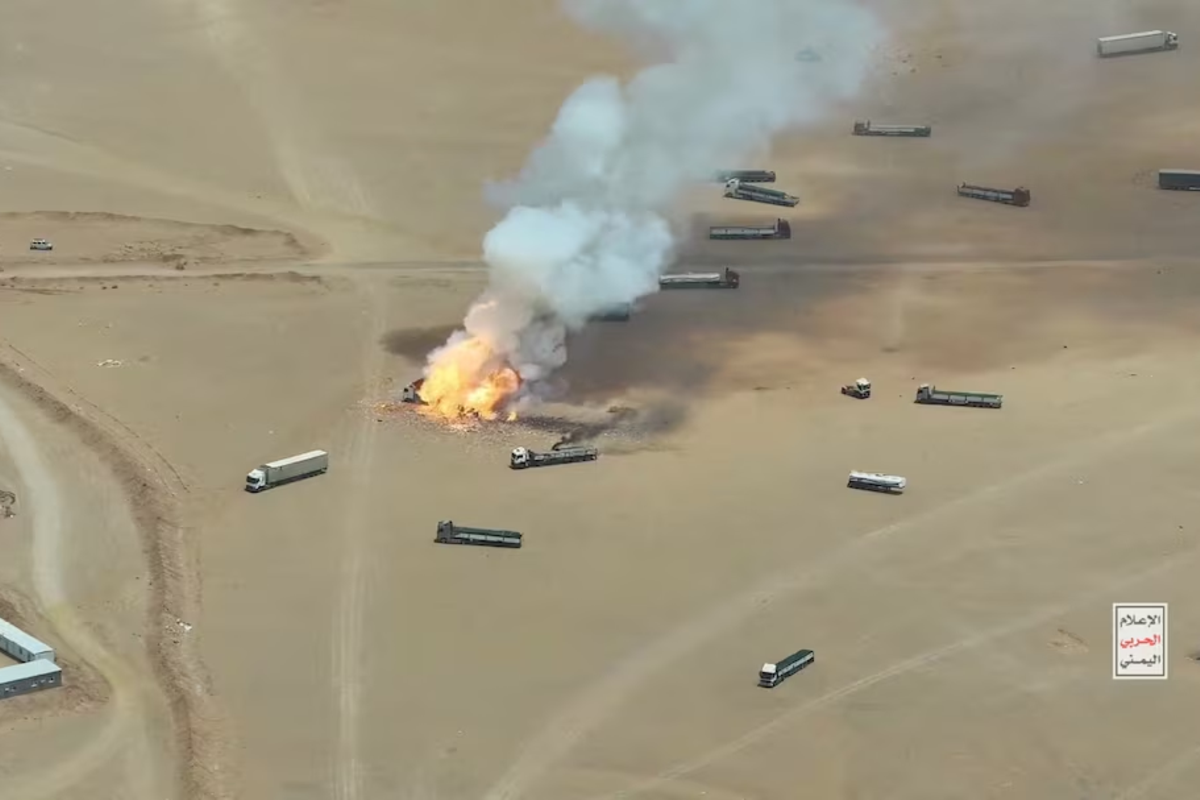
Based on reporting by The Citizen Tanzania, Iran-backed Houthis struck Saudi energy facilities and four southern Saudi cities on September 8, wounding at least 73 people; Saudi authorities reported fires and dispatched emergency teams. Oil rose to more than six-week highs as Iran also signalled a possible restricted Gulf zone and new Hormuz shipping corridor.
Why This Matters
This is where an energy shock stops being a chart and starts showing up in operating budgets. If the security premium lasts through upcoming fuel purchases, transport, manufacturing and freight businesses could face higher costs when contracts reset. Buyers with alternatives gain time; buyers dependent on prompt Gulf deliveries may have less room to negotiate.
Our outlook (informed speculation): oil could retain a security premium for days or weeks while Saudi emergency operations and supply buffers prevent a broad physical shortage. That outcome depends on fires being contained, exports continuing and commercial traffic remaining available through Hormuz and the Red Sea. If those links weaken together, the cost rises twice: first in crude procurement, then in shipping schedules and freight prices.
The last time this happened
The closest parallel was the September 2019 attack on Saudi Aramco’s Abqaiq processing facility and Khurais oil field. The U.S. Energy Information Administration’s account shows the same basic mechanism: an attack on Saudi energy infrastructure quickly repriced both supply risk and physical oil availability.
That shock was more contained. The EIA says prices returned to pre-attack levels by month-end as Saudi production recovered, inventories and other fields supported exports, and wider supply-demand conditions restrained the move. This time, the reported pressure reaches beyond facilities to Hormuz and Red Sea transit. The key question is therefore not simply whether a fire is extinguished, but whether loading and passage remain workable.
How the effects could spread
Facility fires can create repair, security and operational-continuity costs for Saudi energy operators immediately. If disruption affects processing, storage or exports, available crude becomes more valuable and customers may seek substitute barrels.
That would shift bargaining power toward suppliers with reliable export capacity. Within weeks, higher crude costs could flow into fuel, feedstock and freight bills for transport and manufacturing businesses, unless inventories, alternative supply or restored shipping absorb the disruption. Shipping operators face the most immediate practical squeeze: rerouting, insurance and scheduling constraints can turn a nominally open route into a slower, costlier one.
Across our coverage
Our earlier reporting, ‘Hit them hard’: Does Trump have another ‘new’ Iran strategy, can it work?, examined whether regional military escalation could endure. The connection here is duration: a short attack can lift oil briefly, while a wider conflict that disrupts maritime movement can change procurement and routing decisions for longer.
Impact assessment
- Saudi energy operators: exposed immediately to repair, security and continuity costs. The material risk rises if fires affect processing, storage or export logistics.
- Oil-importing businesses: exposed over weeks if elevated crude prices pass into fuel, freight and production costs when purchases reset.
- Saudi crude customers: may need alternative supply if loadings are constrained, improving the position of suppliers that can deliver reliably.
- Hormuz and Red Sea shipping operators: face mixed incentives. Rerouting and security demand can rise, but so do risks to crews, vessels and schedules.
Scenarios
Most likely: If damage is limited or repairable and Hormuz and Red Sea traffic remain impaired but open, oil retains a security premium for days or weeks without a prolonged physical shortage. Transport and industrial buyers would pay more for near-term procurement, then continue operations as Saudi supply buffers and exports limit the disruption. This case strengthens if fires are contained, exports continue and vessel traffic remains slower but active.
Upside: If Saudi facilities and loading recover quickly and maritime arrangements keep cargo moving, buyers would draw less heavily on alternatives and oil could ease toward pre-attack levels over weeks. Fuel-cost pressure on freight and manufacturers would recede. The 2019 case suggests this path when physical supply and export logistics recover faster than the initial fear.
Downside: If attacks persist and Iranian measures materially constrain Hormuz or Red Sea transit, reliable export capacity could shrink over weeks to months. Buyers would reallocate supply contracts, ships would reroute, and higher fuel and freight costs would pressure manufacturers and import-dependent economies. Confirmed outages, declining commodity-vessel traffic and further attacks on energy assets would point in that direction.
What to watch next
- Saudi energy ministry updates on facility operations, outages and export capacity.
- Iran’s promised details on a Gulf restricted zone and Hormuz shipping corridor.
- Commodity-vessel traffic through Hormuz and whether ships reroute.
- Oil-price moves after confirmed repair, loading or transit information.
Comments
No comments yet.