What changed
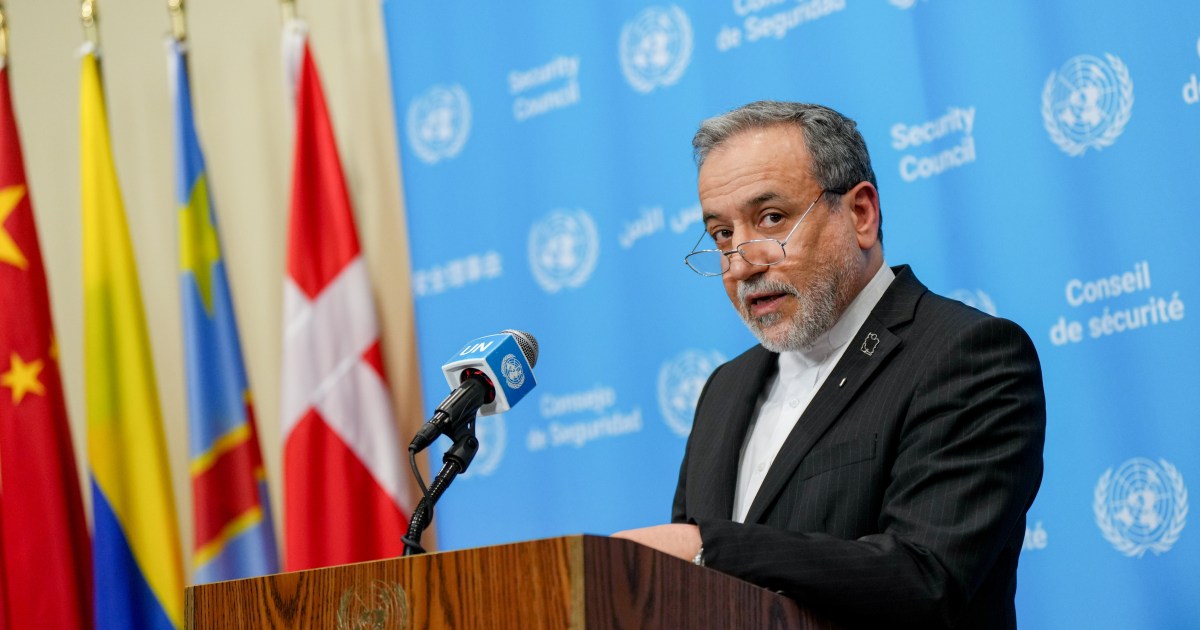
Iran has formalized a concrete seven-day plan to reopen the Strait of Hormuz, with the timeline triggering only after the United States accepts specific action items. Foreign Minister Abbas Araghchi stated that the decision now rests entirely with Washington, claiming the required U.S. actions were already bound by the collapsed June Memorandum of Understanding. The core condition is U.S. acceptance of a maritime transit route through the strait that has been agreed upon by Iran and Oman.
Why it matters
The strait, which carried roughly 20% of the world’s oil before the conflict, has been a chokepoint since the war began. A quick resolution would directly impact the global energy market by allowing physical flow to resume and reducing the geopolitical risk premium currently embedded in spot prices. For insurance underwriters and oil refiners, a deal means the threat of interdiction shrinks, enabling a rapid recalibration of war-risk premiums for tankers and improved margins through secured supply access. Conversely, a quick deal reduces the projected revenue for U.S. defense contractors relying on sustained naval and drone deployments in the region. The most likely path is a gradual normalization over two to three weeks if Qatar successfully translates the technical details into a political agreement. If the U.S. simply accepts the plan with minor tweaks, the strait could see a sharp drop in global oil prices and a surge in regional trade within days. On the other end, if the U.S. rejects the action list, the standoff could become prolonged, leading to further sanctions on the Iranian economy, particularly as the U.S. already announced measures to ground Iran’s entire civil fleet worldwide. The U.S. administration currently views its position as strong, noting that nearly 40 million barrels of oil have already transited the strait in the last 48 hours, suggesting they are not in a rush to close the deal.
What to watch next
The immediate signal to watch is the official U.S. response to the "four or five day" action list, which would likely appear at a White House or State Department press conference within the next few days. A second measurable indicator is the daily tanker transit volume in the Strait of Hormuz. A sustained increase beyond the current 40 million barrel baseline would confirm physical progress, while flat or declining numbers would signal that the diplomatic impasse remains unresolved.
Comments
No comments yet.