What changed
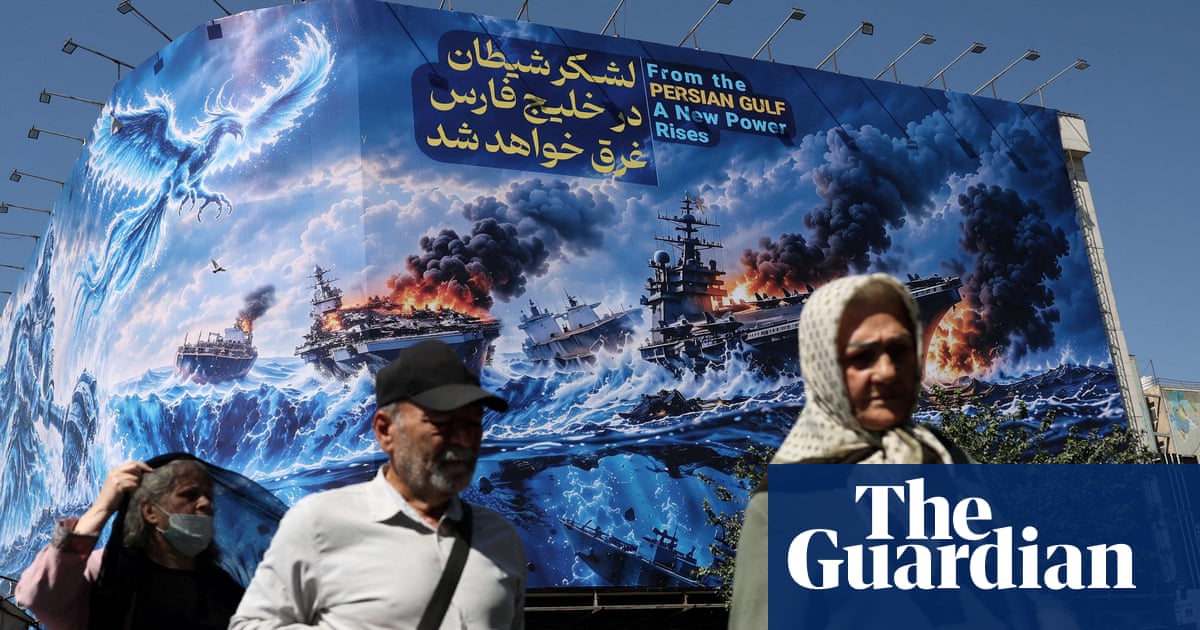
President Donald Trump has formally rejected Iran’s proposal to reopen the Strait of Hormuz and resume nuclear talks within seven days. The Iranian plan, detailed by Foreign Minister Abbas Araghchi, offered to restore maritime passage and allow UN inspectors back into damaged nuclear sites in exchange for the US lifting its naval blockade, releasing frozen assets, and restoring oil sanctions waivers. In return, Iran demanded a broader “ceasefire on all fronts,” which would require the US to convince Israel to stop attacking Iranian-backed Hezbollah in Lebanon, and sought a new shipping route predominantly through Iranian waters.
Why it matters
The immediate consequence is the continuation of a seven-month disruption to one of the world’s most critical energy arteries. The naval blockade remains fully in effect, keeping freight insurance costs elevated and supply uncertainty high for global energy importers. For Iran, the rejection of sanctions waivers locks the oil sector out of revenue recovery despite the pressure of the blockade. The core friction is not just the blockade, but the scope of the peace Iran wants: a bilateral arrangement that includes Israel’s actions in Lebanon and specific shipping rights that Saudi Arabia is reportedly concerned about because it is not a joint signatory.
Trump’s rejection appears timed against the November US midterms. According to unnamed US officials cited by the Wall Street Journal, he is privately sceptical about Iran’s intentions and has told aides he expects to resume bombing after the midterms. This creates a short-term window where diplomatic pressure is likely to remain the primary tool, but with a military escalation pathway actively considered by the administration. The most probable path forward, given these political constraints, is a continuation of the blockade and diplomatic pressure without immediate military escalation. A last-minute compromise remains a possibility if the US and Iran find a face-saving arrangement on the contentious terms, though this is less likely if the administration maintains a hardline posture. The downside risk of direct military conflict exists if the US decides to use force before the midterms to signal strength, though international pressure and the complexities of the regional conflict act as significant brakes on this scenario.
What to watch next
Watch for the physical posture of the US Navy in the Gulf. An increase in carrier groups near the strait signals a shift toward hard power, while assets moving away would indicate a diplomatic recalibration. Simultaneously, monitor Iranian statements regarding the International Atomic Energy Agency. If Tehran moves to formally allow inspectors back into damaged sites, it signals a genuine intent to de-escalate. Conversely, an explicit ban on inspectors would confirm that the gap between the two sides is unbridgeable for now.
Comments
No comments yet.