What changed
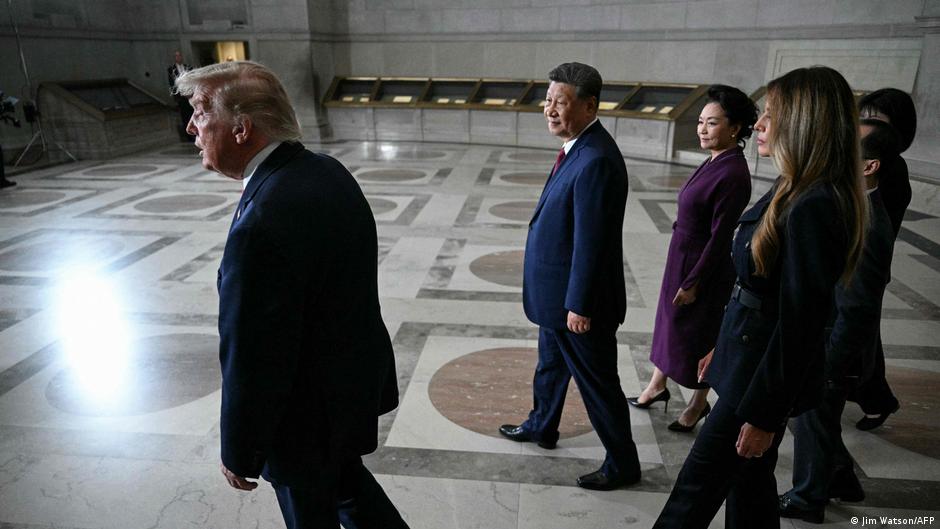
Following a three-day summit, the United States and China agreed to establish a dedicated communication channel for AI safety incidents and cut tariffs on approximately $30 billion worth of non-sensitive goods. Beijing also committed to importing 10 million metric tons of US coal in 2027 and 2028, while the two nations extended their existing trade truce to keep it active until January.
Why it matters
The headline is AI safety, but the immediate economic shift is in agricultural exports and energy markets. The tariff reduction on "non-essential" goods, which includes agricultural products, directly lowers the price barrier for US producers selling to China. As export volumes increase, this demand will likely travel down the supply chain, hitting US port logistics operators who will see increased throughput and demand for shipping capacity. Simultaneously, the commitment to import 10 million metric tons of US coal creates a guaranteed, long-term buyer for American energy producers, reducing their reliance on spot markets and potentially lowering procurement costs for Chinese industrial consumers who need lower-input energy.
The AI channel is a structural change in how the two superpowers manage technological risk. Rather than reacting to incidents after they occur, the agreement creates a pre-arrived mechanism for "strengthening exchanges" and seeking consensus on the latest developments. The next round of this dialogue is scheduled for November. This moves AI governance from a reactive, public-facing argument to a behind-the-scenes, ongoing diplomatic process.
The extension of the trade truce is a stabilization of the status quo rather than a new victory. The original agreement, which included China suspending rare earth controls and the US cutting some tariffs, was set to expire on November 10. By extending it to January, both sides bought time to avoid a sudden collapse in trade relations. The US Treasury noted that the goal is to ensure rare earth shipment levels return to appropriate levels, which provides a degree of input cost stability for global electronics manufacturers that rely on Chinese permanent magnets and semiconductors.
The conditional outlook hinges on enforcement. If the initial implementations of the tariff cuts and coal imports proceed smoothly, the agreements may expand to include additional sectors and deepen AI cooperation. If political shifts in either country disrupt this, the truce could collapse, leaving the AI channel dormant and coal imports falling short of the 10 million metric ton target. The most likely path is a gradual implementation where the AI channel is established but used sparingly, while the coal imports begin to materialize in 2027.
What to watch next
Look for official US and China tariff schedule updates, likely appearing by early November, that show the specific implementation of the $30 billion reduction. Watch for the first operational use or a formal announcement regarding the AI safety incident channel, expected by the end of the year. In early 2027, check Chinese customs data or shipping records to see if US coal imports are actually materializing, as a lack of recorded imports by mid-2027 would signal a failure to meet the commitment.
Comments
No comments yet.