What changed
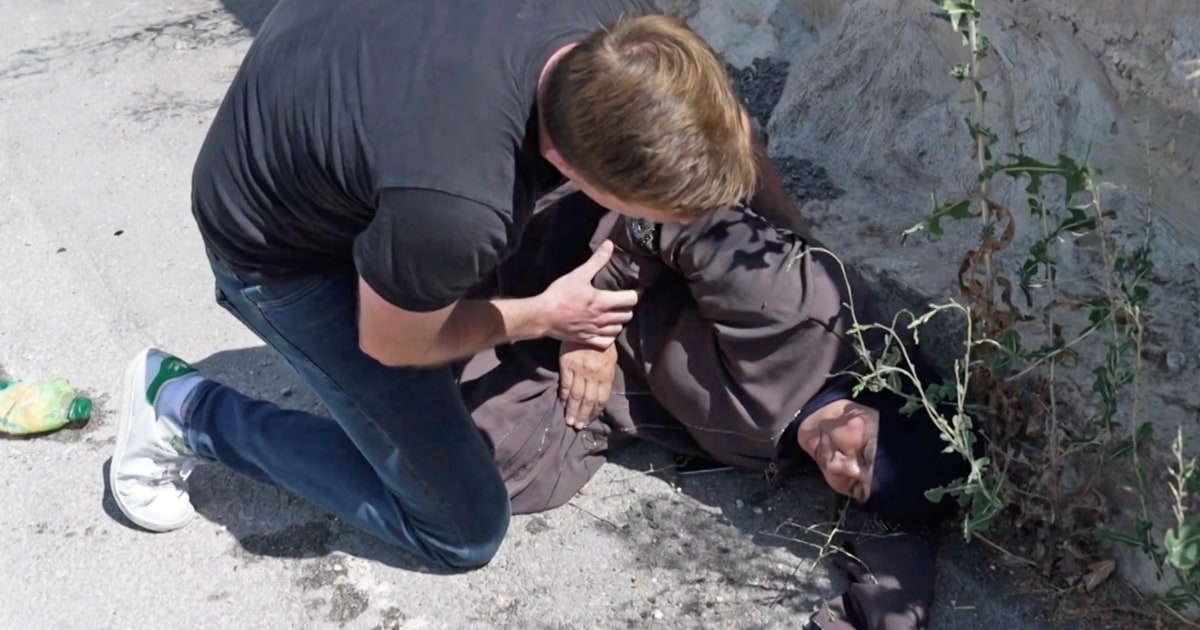
Based on NBC News’ reporting, Mahmoud Tubassi and his family in Jalud say more than a dozen young Israeli settlers have surrounded their West Bank home almost daily for roughly three months, throwing rocks and making death threats. NBC reported on Sept. 9 that the account comes amid swelling settler violence as Israeli elections approach.
Why This Matters
A home can become a cage long before anyone physically removes its residents. If recurring threats make the road, fields, water access or daily errands feel unsafe, families begin shrinking their lives to the space they can defend.
That is the consequential risk here. Violence around one house can become pressure on an entire rural community when people stop using nearby land, alter work routines or conclude that leaving is safer than staying. Election timing may sharpen fears, but the report does not establish that it caused the alleged attacks.
Our outlook (informed speculation): if this pattern continues without durable safe access, the immediate cost will be reduced movement and land use for affected households, with broader displacement pressure possible over months.
The last time this happened
A Guardian account from October 2022 described heightened violence, settler attacks and insecurity in the West Bank shortly before Israel’s Nov. 1 election. The structural similarity is plain: Palestinian civilians faced threats to homes, movement, land and livelihoods during a period of political tension.
The material difference is equally important. The 2022 escalation included a major Israeli military operation, militant activity and lethal raids; NBC’s current report centers on alleged repeated intimidation around the Tubassi family home.
What followed shows the danger of sustained access pressure. By September 2023, a UN report cited by AP found that more than 1,100 Palestinians had been displaced since the start of 2022, with five communities emptied. That does not forecast Jalud’s outcome, but it points to the signals that matter: whether homes, roads, water and land remain usable.
How the effects could spread
If intimidation keeps people from safely reaching fields, roads, services or water, households may reduce travel and land use first. If those restrictions persist or expand, lost routines can become lost livelihoods, increasing pressure to relocate.
That chain can be interrupted. Effective protection, enforcement and restored access would allow families to resume ordinary movement before disruption hardens into departure.
Impact assessment
- Tubassi family, immediately: The alleged near-daily threats and rock-throwing may constrain safety and mobility around their home.
- Nearby Palestinian rural communities, over six to 12 months: If violence is sustained alongside disrupted land, road or water access, livelihoods and residents’ ability to remain could come under greater pressure.
- Israeli authorities responsible for security and access, over coming weeks: Continued reported intimidation raises the operational need to preserve civilian safety and routine access, though NBC’s account does not establish what response authorities have taken.
Scenarios
Most likely: If the reported pattern continues without a durable restoration of safe access, nearby households may adjust travel and land use over weeks to months. This is the baseline because NBC describes a pattern already lasting three months, while no verified intervention ending it is described. Recurrent incidents, reduced access or changed travel practices would strengthen this case.
Upside: If effective protection or enforcement stops the alleged intimidation and keeps surrounding routes usable, families could resume regular movement and land use within days or months. Sustained absence of incidents and restored access to roads, water, grazing or work would be the practical test.
Downside: If intimidation broadens beyond the current household and materially disrupts access to land, roads or water, livelihoods could shrink and communities could face displacement pressure over six to 12 months. Attacks affecting additional households, blocked essentials and documented departures would signal that this path is taking hold.
What to watch next
- Whether credible reporting documents continuation or a sustained stop to intimidation around the Tubassi home.
- Whether access to land, roads, water and daily services becomes more restricted or is restored.
- Whether households in affected West Bank areas reduce land use, leave, or are able to remain with safe access intact.
Comments
No comments yet.