What changed
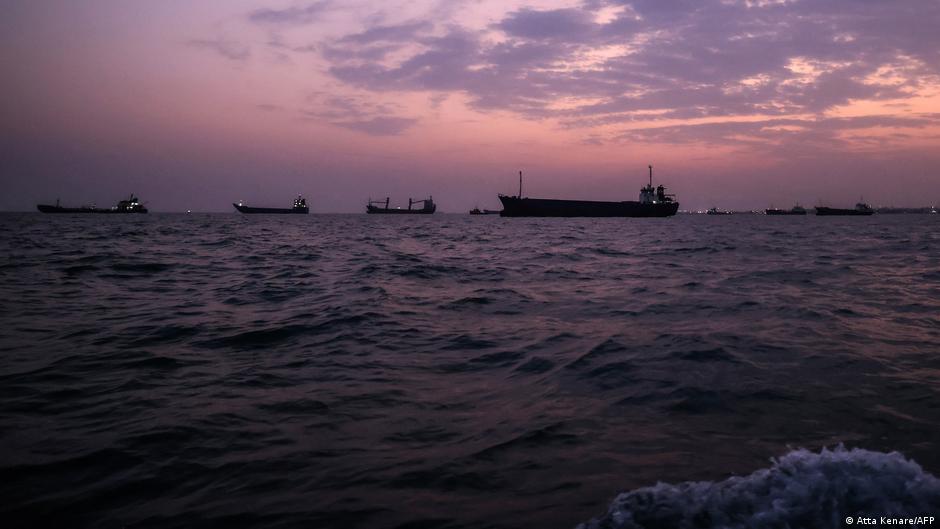
Based on DW’s reporting, US forces struck five Iranian oil tankers on September 8: M/T Kaviz, Charminar, Horizon 1 and Riesco in the Gulf of Oman, plus M/T Derya near Kharg Island in the Strait of Hormuz. CENTCOM said the action followed two IRGC ballistic-missile attacks on a US Navy warship; it said no US personnel were harmed and described the vessels as part of a multibillion-dollar network funding the IRGC and regional proxies.
Why This Matters
This takes the confrontation directly onto the machinery that moves Iranian oil. A tanker is not just a target; it is floating capacity, paperwork, crew schedules and a planned port call. If the five vessels are damaged or held back, operators around Jask and Kharg Island may treat nearby waters as a more expensive, less predictable place to work.
The immediate decision is operational: whether to sail, wait, reroute or seek extra protection. That caution can spread beyond the vessels involved, even without a confirmed interruption to Strait traffic. The report does not establish damage levels or a change in transit through Hormuz, so the key question is whether a targeted strike stays targeted.
Our outlook (informed speculation): over coming days, nearby commercial operators are likely to add security checks and delay or adjust some movements while they assess risk around Iran’s export ports. If further attacks follow, patrols and escorts could absorb more maritime resources, while commercial crews and civilian transport face a denser, more error-prone operating picture.
The historical parallel
In 1988, Operation Praying Mantis followed an Iranian mine attack that injured sailors aboard a US frigate. US forces destroyed Iranian offshore installations and fought Iranian naval forces around the Gulf and Strait of Hormuz.
The structural similarity is plain: alleged attacks on a US naval vessel led to US retaliation in a strategic oil-shipping corridor. The material difference is just as important. The earlier operation targeted platforms and naval forces during the Iran-Iraq Tanker War; DW’s current account describes strikes on tankers after alleged ballistic-missile attacks. Modern missiles, drones and asymmetric tactics also make the waterway harder to secure.
Later in that 1988 campaign, USS Vincennes misidentified Iran Air Flight 655 while pursuing Iranian speedboats and shot it down, killing all 290 people aboard, as the Guardian recounts. The lesson is not that history repeats on schedule. It is that intense maritime operations can turn identification, proximity and split-second decisions into dangers for people far outside the original exchange.
Impact assessment
- Iranian tanker operators: Immediate losers. Damage, delay or removal from service would cut usable shipping capacity and raise security costs.
- US Navy patrols: Exposed in the days ahead. CENTCOM says a warship was targeted twice; each continued patrol now carries a sharper retaliation and interception risk.
- Commercial shipping near Jask, Kharg Island and Hormuz: Mixed outlook over days to weeks. Operators may change calls, routes or security practices if perceived danger rises; stable traffic would interrupt that chain.
- Civilian sea and air transport near the Gulf: More exposed over coming weeks if operations intensify. The 1988 record shows how misidentification risk can grow in a crowded military environment.
Scenarios
Most likely
If the confrontation remains limited to the named tanker strikes and the US warship continues patrolling without a further successful attack, some operators are likely to delay or reroute movements near Jask, Kharg Island and Hormuz over days to weeks. This is the likelier path because the reported action is specific to five vessels, not a confirmed broad interruption of Strait traffic. Delayed tanker movements, altered commercial routes and no broad transit disruption would support it; quick return to normal movements and no further incidents would weaken it.
Upside
If alleged missile exchanges stop and damage remains confined to the five vessels, the disruption may stay narrow. Nearby ships could resume regular movements after short-term safety checks, preserving access to the corridor without a wider shift of capacity. No further strikes, limited confirmed damage and normalising port calls would strengthen this outcome.
Downside
If attacks and counterattacks continue, maritime forces may commit more resources to patrols and escorts while commercial operators reduce exposure near Iranian export ports. That would add friction to shipping and raise the chance of an incident involving a vessel outside the initial strikes. Further missile, drone or maritime attacks, additional tanker targets, and extended diversions or suspended port calls would point in this direction.
What to watch next
- The operating status and movements of Kaviz, Charminar, Horizon 1, Riesco and Derya.
- Any further Iranian attack or US strike involving military or commercial vessels.
- Whether commercial calls, routes and port activity near Jask, Kharg Island and the Strait of Hormuz show sustained disruption.
Comments
No comments yet.