What changed
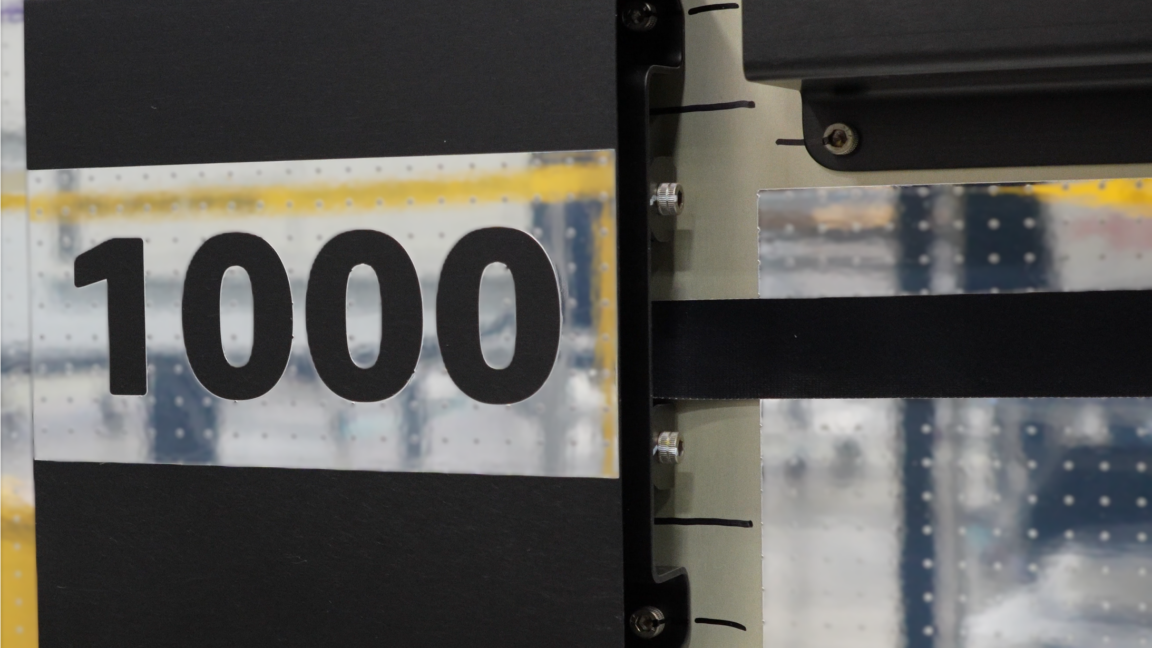
Amazon has built its 1,000th low-Earth-orbit broadband satellite and says commercial Amazon Leo service is only weeks away, with a rollout planned by the end of 2026.
Two United Launch Alliance Vulcan rockets are being prepared to carry Amazon Leo satellites this year, including the rocket’s return-to-flight mission. Amazon says its factory in Kirkland, Washington, can now produce a handful of satellites daily. It has also signed customers, including Delta Air Lines.
Why it matters
Amazon is no longer just designing a rival to SpaceX’s Starlink. It is building the industrial machinery needed to keep a satellite network supplied.
That distinction matters. A constellation is not a one-off hardware launch. It is a factory, a launch pipeline and a service operation that must keep working together. Amazon says it spent years fixing quality, reliability and parts problems before reaching production at scale. The company’s own description of that process is blunt: building a few satellites was straightforward; building them continuously was “brutal.”
For businesses, Amazon’s arrival creates an alternative to a market Starlink has dominated for roughly five years. Delta’s agreement shows that Amazon Leo is already being considered for aircraft connectivity, while the company is also drawing interest from airlines, shipping companies and governments.
The big test is now execution. Amazon still has to launch the satellites, turn the network into a commercial service and reveal the pricing, coverage and capacity customers will actually receive. If those pieces arrive on schedule, Starlink will face its first substantial high-speed global competitor.
Comments
No comments yet.