What changed
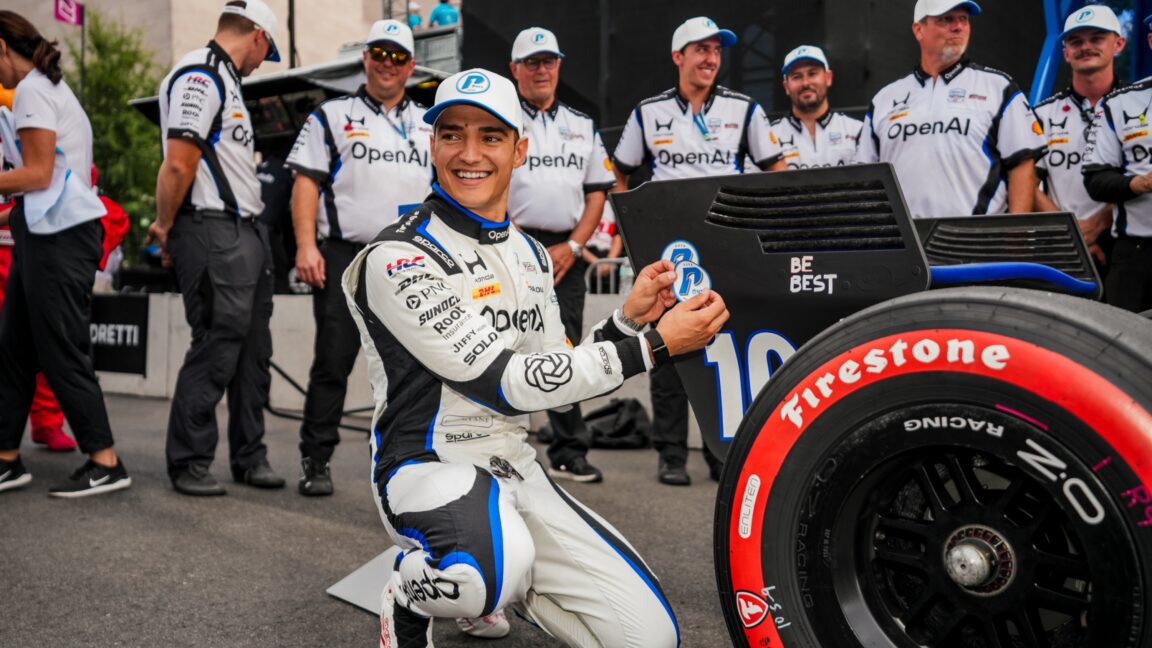
OpenAI has moved beyond putting its logo on Chip Ganassi Racing’s cars. During the 2026 IndyCar season, OpenAI and one of its researchers worked with Ganassi and champion Álex Palou to optimize car setups.
Palou won his fifth championship in six seasons, taking six of 18 races and eight poles. The collaboration is documented in a new YouTube documentary episode. In Washington, DC, the OpenAI-branded car qualified strongly, though Palou’s race went poorly.
Why it matters
This is AI becoming part of the engineering loop, not just the sponsorship budget.
A racing setup is a chain of compromises. Engineers tune the car for speed, grip and changing track conditions. Machine-learning tools can help search that maze faster, especially when teams have years of testing and race data but limited time to interpret it.
That makes the partnership strategically interesting for both sides. Ganassi gets another tool for extracting performance from its data. OpenAI gets a demanding real-world test, where a useful suggestion has to survive qualifying, traffic, tires and a stopwatch.
The wider pattern is already visible. Motorsport teams are using AI to predict cautions from radio traffic, analyze crash images within seconds and accelerate aerodynamic development from computational-fluid-dynamics data. The crucial question is not whether AI appears in the garage. It is whether the advice changes the car in a way that reliably improves results.
So far, the public evidence shows a powerful season and a strong qualifying result, but not how much OpenAI’s work contributed. The specific models, data and setup changes remain undisclosed. That leaves the collaboration as a credible engineering experiment, not proof that an AI system has found a magic racing line.
Comments
No comments yet.