What changed
SpaceX launched the four-person Crew-13 mission from Cape Canaveral at 11:10 a.m. EDT on October 1, sending the crew toward a six-month stay aboard the International Space Station.
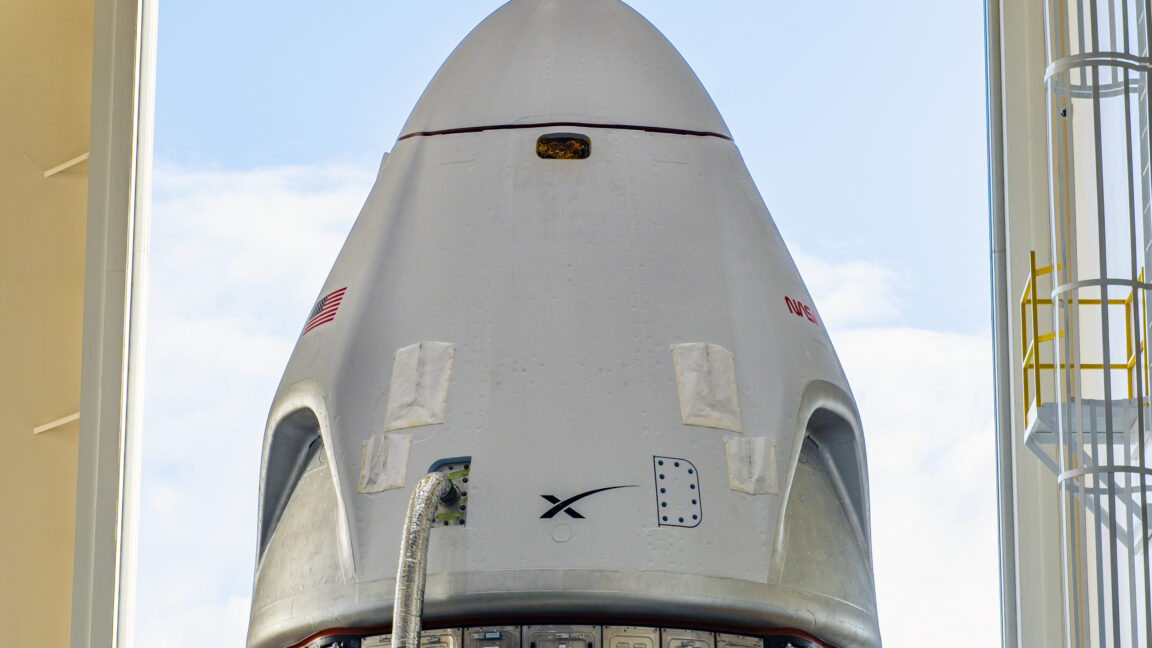
The launch had been delayed from mid-September after engineers replaced a faulty Dragon propulsion valve. The repair required cutting into an internal propellant line inside Crew Dragon Grace. Jessica Watkins commanded the mission, becoming the first Black woman to command a spacecraft.
Why it matters
This was a routine crew rotation with an unusually hands-on repair behind it. SpaceX had to open part of a spacecraft designed to carry people, replace a propulsion component and return the vehicle to flight before sending four astronauts into orbit.
That makes the launch less about spectacle than maintenance discipline. Human spaceflight depends on catching small hardware problems before they become flight problems. The report does not give the valve’s failure mechanism or the repair-test data, so the durability of the fix remains a question for later missions.
Crew-13 also reached the ISS about eight hours after launch, the fastest reported launch-to-docking transit by a US spacecraft. That compresses the trip between liftoff and arrival at the station, while the crew begins a six-month expedition.
The mission carries a longer-term equipment question, too. NASA and its partners plan to operate the ISS through at least 2030, while SpaceX plans to retire Crew Dragon around that time. The capsule is still doing essential work, but its eventual replacement will need to arrive before the station’s operating horizon closes.
Comments
No comments yet.