What changed
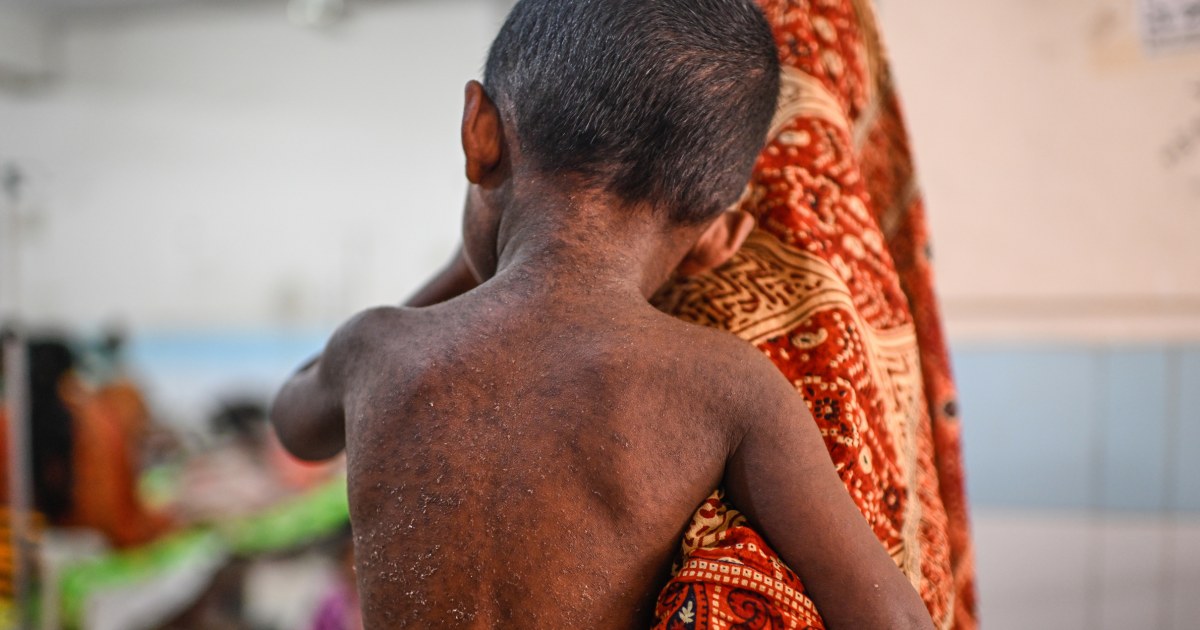
According to NBC News World’s account of Associated Press reporting, Bangladesh’s government says suspected measles cases have killed 999 people since the start of 2026. Since March, the country has recorded more than 166,000 suspected cases and 19,835 laboratory-confirmed infections, despite an emergency vaccination campaign launched with WHO, UNICEF and Gavi. The death count covers suspected cases; the report does not establish how many will ultimately be laboratory-confirmed as measles.
Why This Matters
The immediate problem is not simply that Bangladesh has a large outbreak. It is that the outbreak is now competing with the rest of the health system for beds, staff and attention.
Vaccination coverage among children receiving the recommended second dose fell to about 86% in 2025, from 93% in 2024. The emergency campaign began with children aged 6 months to 5 years before expanding nationwide. If transmission stays high, families may face longer journeys to specialized hospitals, while children needing unrelated care could encounter slower access as pediatric capacity is pulled toward measles.
The most exposed children are those who missed routine vaccination during the pandemic or the largely missed 2024 campaign. Infants too young to be vaccinated and immunocompromised people face a different risk: they rely on enough vaccinated people around them to interrupt transmission. The WHO threshold cited in the report is 95% population coverage.
Our outlook (informed speculation): Bangladesh is more likely to see uneven improvement than a quick nationwide end to the outbreak. The emergency campaign can reduce new infections, but the existing caseload and vaccination gaps may keep referrals high for weeks. If outreach reaches missed children quickly, hospital pressure should ease; if not, emergency vaccination and pediatric treatment will continue consuming public-health capacity.
How the effects could spread
The chain is straightforward:
- More suspected cases mean more children needing respiratory and pediatric care.
- More severe referrals can concentrate patients at facilities such as Dhaka Shishu Hospital.
- That concentration can divert beds, medicines, clinicians and public-health workers toward measles.
- If admissions remain high, children needing non-measles services could face delays.
- The effect would be weaker if vaccination reduces new admissions or WHO, UNICEF and Gavi add operational capacity.
Impact assessment
- Children who missed routine vaccination: exposed over the coming weeks because lower second-dose coverage leaves a larger group vulnerable until catch-up efforts take effect.
- Public hospitals: under pressure as they manage treatment, referrals and vaccination operations at the same time.
- Infants and immunocompromised people: particularly vulnerable because they depend on community-wide protection rather than vaccination alone.
- WHO, UNICEF and Gavi: facing greater demands to deliver vaccines, support surveillance and repair routine-service gaps over the next 6 to 12 months.
Scenarios
Most likely
If the emergency campaign continues but coverage gaps remain, Bangladesh will see uneven improvement rather than rapid nationwide control over the coming weeks and months. Authorities will direct more outreach and pediatric capacity toward districts with the largest gaps, while hospitals continue handling substantial measles demand.
This path would be supported by persistent clusters, high referrals that begin falling unevenly and vaccination operations expanding by district and age group.
Upside
If emergency teams quickly reach children missed during the pandemic and the 2024 campaign, and families accept vaccination, transmission could fall before deaths rise much further. Pediatric hospitals would then regain capacity, while campaign resources could shift from crisis response toward routine immunization recovery.
The clearest signs would be a substantial rise from the reported 86% second-dose coverage, falling suspected cases across several regions and fewer severe admissions among young children.
Downside
If routine-service disruptions persist and emergency coverage remains below the level needed to interrupt transmission, the outbreak could continue consuming hospital and public-health capacity through the next 6 to 12 months. Infants and immunocompromised people would remain exposed, and authorities could face pressure for further emergency measures.
That path would become more likely if suspected cases and deaths keep rising, coverage stays near 86% and hospitals continue receiving large numbers of critically ill children from across the country.
What to watch next
- Whether Bangladesh reports sustained declines in suspected cases and severe pediatric admissions across multiple regions over the next several weeks.
- Whether second-dose coverage rises from 86% among children reached by catch-up efforts over the next 6 to 12 months.
- Whether the Ministry of Health, WHO, UNICEF and Gavi document expanded vaccination operations in districts affected by earlier routine-service disruptions.
Comments
No comments yet.