What changed
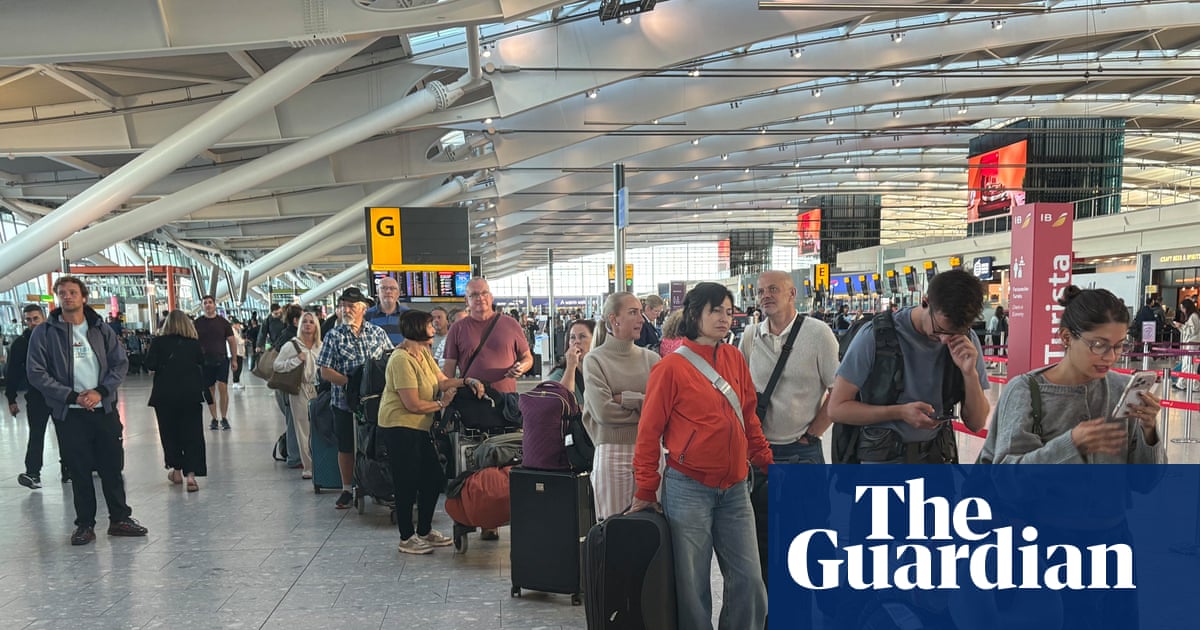
Based on reporting by The Guardian, UK air-traffic disruption entered a second day with more than 1,900 cancelled flights. Nats chief Martin Rolfe is due to brief Transport Secretary Heidi Alexander; Nats says a flight-processing-system technical issue was involved and that a cyber-attack has been ruled out.
Ryanair says it has cancelled more than 250 flights and expects costs in the millions. Of 1,750 cancellations reported for the previous day, 541 were at Heathrow.
Why This Matters
A cancelled flight is rarely just one cancelled flight. It breaks the carefully timed chain behind it: the aircraft needed for a later departure, the crew needed for a return leg, the seat needed by someone being rebooked. That is why a technical problem can keep reshaping journeys after the original fault is fixed.
The immediate hit is travel plans. The more durable question is whether the system can regain its rhythm quickly enough that disrupted rotations do not become fresh cancellations. Airlines are already turning that operational strain into a leadership challenge for Nats.
How the effects could spread
Cancelled services disrupt aircraft and crew rotations. If airlines cannot restore those rotations quickly, passengers with onward and return trips may see altered itineraries and slower rebooking over the coming days.
That chain weakens if Nats restores capacity promptly and airlines can draw on spare crews, aircraft or rebooking capacity. Recovery is not merely a switch being flipped; it is a queue being worked down.
Impact assessment
- Passengers: Immediate losers. Cancellations, long ground delays and overnight stranding can force rebooking and changed plans.
- Ryanair: A clear loser in the near term, having reported more than 250 cancellations and costs running into millions.
- Other UK airlines: Exposed. Network disruption can unsettle schedules even where individual cancellation totals are not known.
- Nats leadership: Exposed. A ministerial briefing and airline demands for accountability sharpen scrutiny of resilience and management.
- Airport ground services: Mixed. Recovery can produce uneven workloads as gates, staff and aircraft are rearranged.
Scenarios
Most likely
Our outlook (informed speculation): if the flight-processing issue remains contained and Nats restores capacity without another interruption, airlines and airports will rebuild schedules progressively over days to weeks. Passengers caught in disrupted rotations could still face rebookings and timetable changes after the headline cancellation total begins falling, because aircraft and crews must be put back in position.
This baseline fits Nats’s description of a complex recovery and its statement that there was no cyber-attack. Falling daily cancellations, restored routes and Nats reports of network recovery would support it. Another interruption or persistently high cancellations would weaken it.
Upside
If Nats completes recovery promptly and airlines have enough crews, aircraft and airport capacity, carriers could restore rotations quickly and limit further cancellations. That would shorten the period of constrained rebooking and ease pressure on airport handling operations.
A sharp decline in airline cancellation notices and normalised departures would support this path. Continued crew or aircraft dislocation would undermine it.
Downside
If recovery remains slow or another processing-system problem emerges, airlines may extend cancellations and divert more resources into schedule recovery. That would lengthen rebooking delays and intensify calls for changes in Nats leadership or resilience arrangements.
Rising cancellation totals, continued Nats recovery difficulties and expanding airline cost disclosures would point this way. A stable return to normal operations would cut against it.
What to watch next
- Daily UK cancellation totals and airport breakdowns, particularly whether they fall materially.
- Nats’s findings on the flight-processing incident and any resilience measures it identifies.
- The outcome of Rolfe’s Wednesday briefing with Alexander.
- Airline notices showing whether cancelled services are being restored or extended.
Comments
No comments yet.