What changed
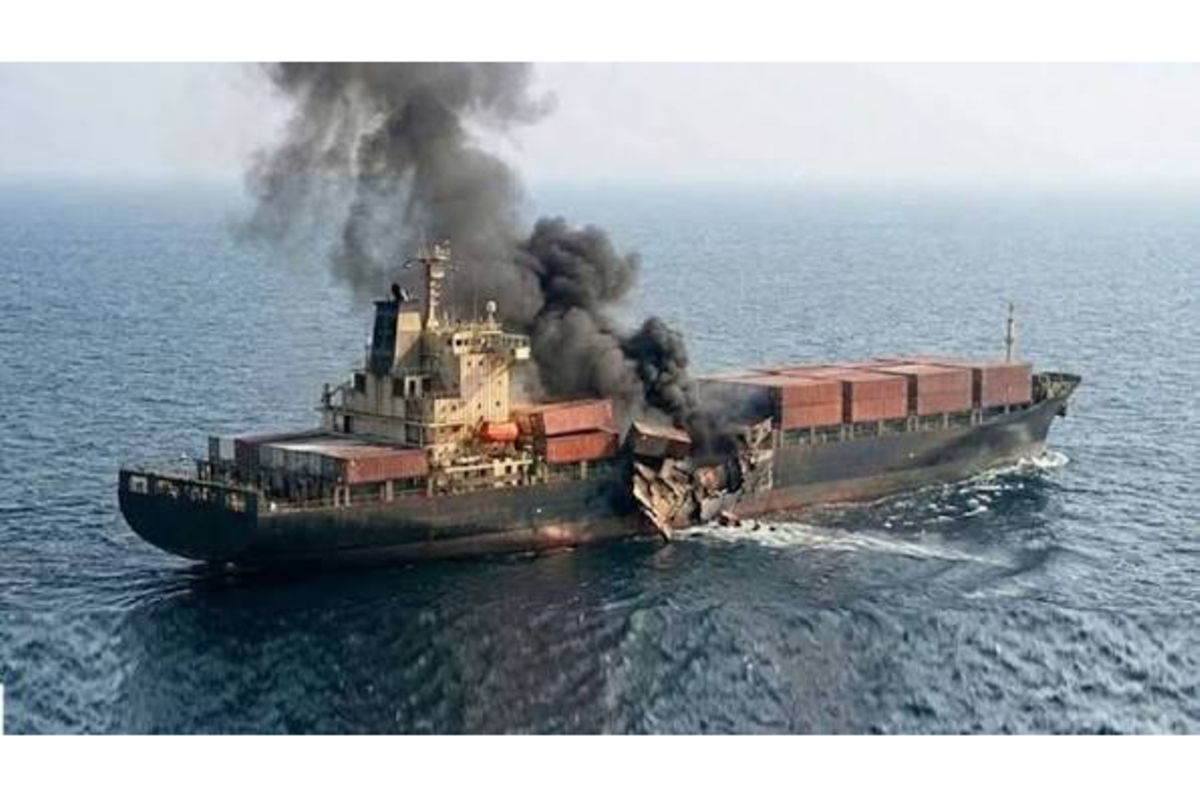
The Citizen Tanzania’s account, based on Reuters reporting, says Iran attacked 10 ships near the Strait of Hormuz after the United States destroyed five Iranian oil tankers, the biggest reported shipping strike wave since the six-month war began. At least one seafarer was killed and another was missing aboard the Hercules Star. Brent crude rose above $100 a barrel for the first time since July. The Citizen Tanzania
Why This Matters
This turns a geopolitical escalation into an operating-cost problem. Companies that depend on imported fuel, freight, cloud hardware, industrial equipment or regular shipping schedules may face higher transport costs and less predictable delivery windows if tanker operators delay, reroute or insure voyages more expensively.
The first pressure point is not necessarily a shortage. It is uncertainty. A buyer may still find fuel or equipment, but at a worse price, with more safety checks and less confidence that the next shipment arrives on time. That can make a planned expansion, factory upgrade or hardware purchase harder to justify.
Our outlook (informed speculation): the likeliest path is a risk premium lasting days to weeks, with some tanker operators adding security, delaying voyages or choosing longer routes while physical shortages remain limited. If attacks continue near Hormuz, the higher shipping and insurance bill could reach fuel importers, transport companies and energy-intensive manufacturers. Those businesses might pass costs to customers, reduce discretionary operations or postpone investment.
How the effects could spread
The chain is straightforward:
- Tanker attacks raise perceived war risk.
- Higher risk raises insurance, security and voyage costs.
- Operators delay, reroute or limit sailings.
- Fuel importers and refiners pay more for delivered crude.
- Transport and manufacturing costs rise.
- Businesses with thin margins either charge more, cut activity or defer expansion.
The chain could break if retaliation stops, normal tanker traffic continues, or alternative routes and existing inventories absorb the delays.
Impact assessment
Tanker operators and crews bear the immediate cost. Repeated attacks and a possible enlarged maritime exclusion zone can reduce voyage profitability, while the reported death and missing seafarer increase pressure for stronger crew protections and route restrictions.
Fuel importers and transport companies are next. Higher crude, freight and insurance costs can squeeze margins or force fuel surcharges. Energy-intensive manufacturers face a slower-moving version of the same problem: if higher delivered energy costs persist, they may postpone capacity expansion or reduce output where they cannot quickly raise prices.
Producers outside the conflict zone could benefit from higher prices if they can ship reliably. That advantage would weaken if a broader energy shock damaged demand.
Scenarios
Most likely
If the United States and Iran continue retaliatory attacks without closing the Strait of Hormuz or destroying enough shipping capacity to create a sustained supply deficit, tanker operators add security measures, delay some voyages or use alternative routes over the next days to weeks. Brent remains vulnerable to a risk premium, while cargoes continue moving. Further tanker attacks, higher war-risk insurance and elevated freight costs would strengthen this path.
Upside
If retaliation stops, Iran does not expand its announced maritime restrictions and no further commercial vessels are hit, tanker traffic returns toward normal within days to weeks. Brent and freight costs retreat, allowing fuel importers and operators to avoid sustained cost pass-through.
Downside
If attacks continue across the Strait of Hormuz and in Yemen, operators materially reduce sailings and alternative routes or inventories cannot replace delayed cargoes, available tanker capacity tightens over weeks. Delivered fuel costs rise more persistently, pushing transport companies toward route cuts or surcharges and energy-intensive manufacturers toward reduced operations or delayed investment.
What to watch next
- New tanker attacks or crew casualties near the Strait of Hormuz, as reported by UKMTO or another maritime authority.
- Maps or navigational notices showing that Iran’s proposed off-limits zone has expanded toward Chabahar.
- Brent, tanker freight and war-risk insurance costs staying elevated alongside delayed or rerouted cargoes.
- Fuel surcharges, route reductions, production changes or postponed investment from transport companies and manufacturers.
Comments
No comments yet.